Marie Antoinette and Friends, Three Films by Sofia Coppola
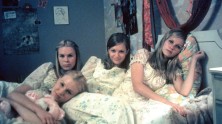
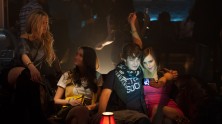
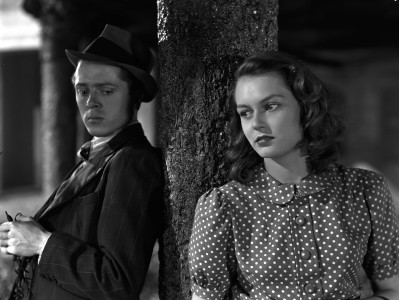
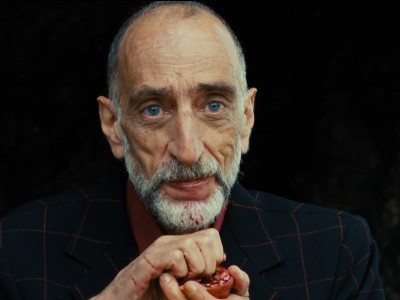
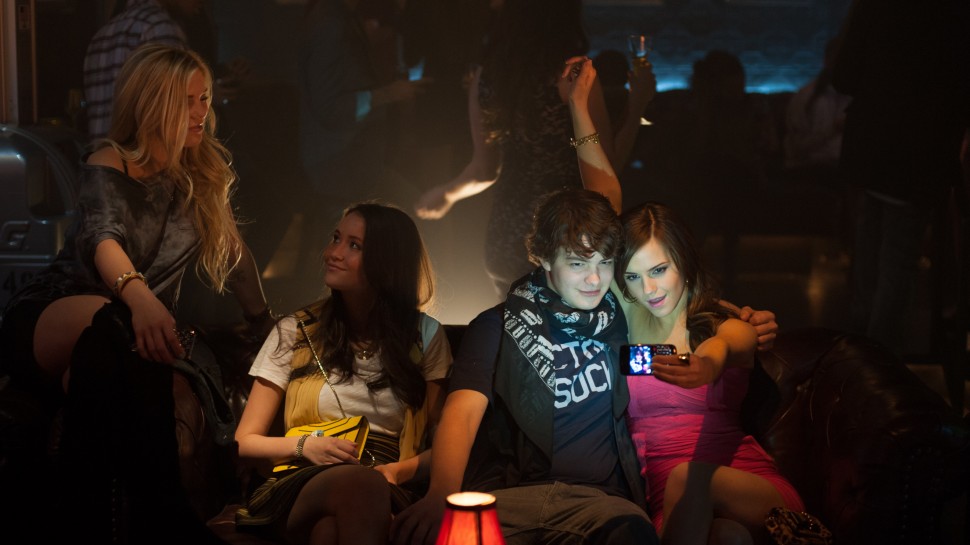
On the heels of the twentieth anniversary of Marie Antoinette by Sofia Coppola (b.1971), this series will present that film alongside The Virgin Suicides and The Bling Ring, revisiting an unofficial trilogy chronicling the secret lives of young women who appear to have it all.
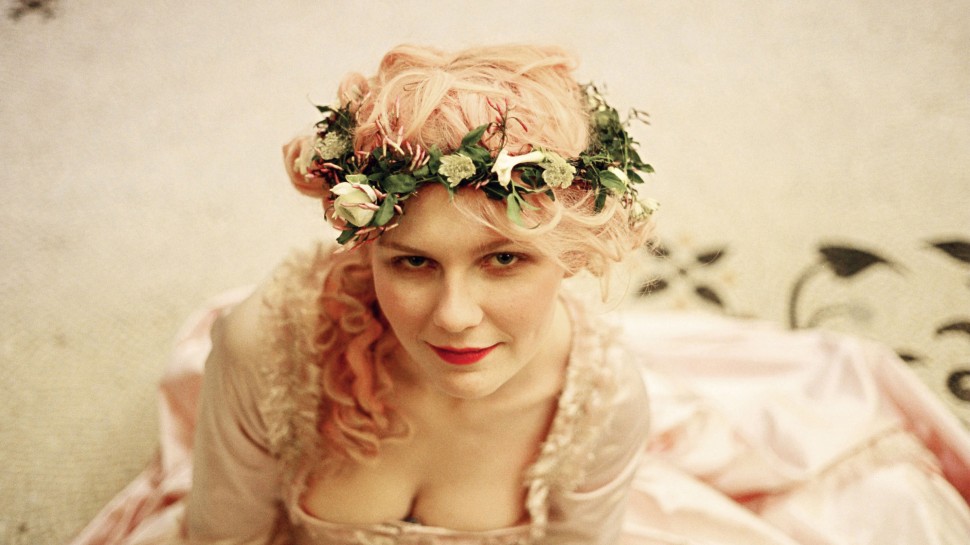
Following the sleeper success of Lost in Translation (2003), Marie Antoinette marked a shift from the tightly focused, controlled point of view of Coppola’s earlier features to an elaborately staged period piece featuring an historic icon. With a desire to demystify and engage in a more intimate way with the famous figures at the film’s center, Coppola applied elements that characterized her previous work—including a precise aesthetic that borders on the stylized and the low-key delivery of emotionally intense material—onto a panoramic canvas. In adapting Antonia Fraser’s exhaustive 2001 biography of the young queen, Coppola was granted unprecedented access to film on location in Versailles and responded in kind with a massive cast—of both established stars and then unknowns—and lavish, imaginative costumes that were deeply influenced by Coppola’s own long-held love of fashion.
Inspired by period epics like Barry Lyndon (1975) and Amadeus (1984), Coppola uses formal structure—for instance, in the neat, geometrical wide-shots of grand and imposing locations that invoke the epoch’s rigid social hierarchies—with a purist’s naturalism, such as shooting certain night scenes using only candles and the moon as light sources. However, rather than striving for the careful verisimilitude of Kubrick, Coppola playfully deploys deliberate anachronism to transform historical signifiers into a contemporary, relatable visual language. An extension of her use of landscape to create character depth in The Virgin Suicides, this application of the anachronistic—in music, colors, the glimpse of a sneaker—shapes the tone of the film and was a source of controversy upon the film’s release.
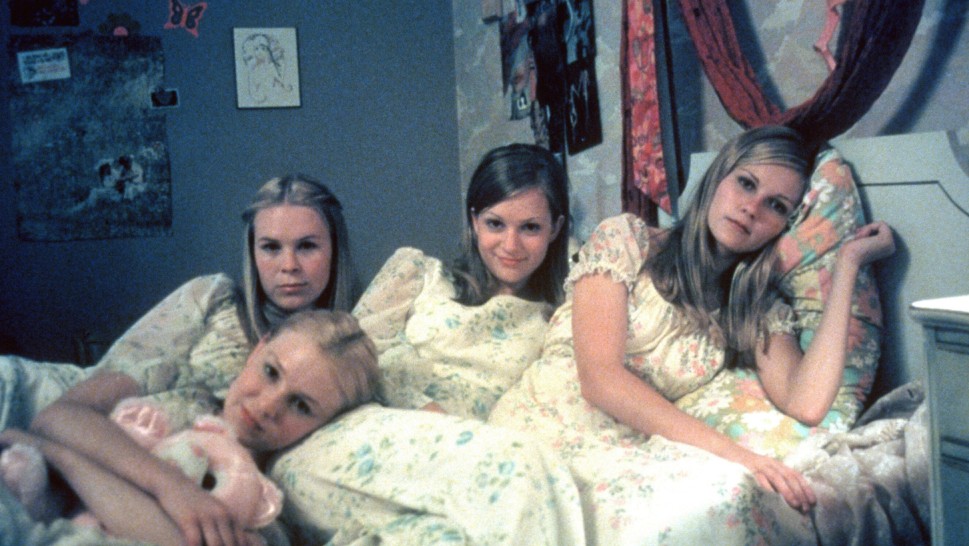
Another crucial tension Coppola puts into play in this set of films is one inherent to most works of historical fiction: the audience is already aware of the characters’ fates. This knowledge allows viewers a degree of omniscience while deepening and darkening the story’s polished surface. Knowing her violent end, Marie Antoinette’s headlong pursuit of pleasure carries a tragic poignancy. Before anyone enters the theater, The Virgin Suicides has revealed its characters’ fates, and the narrator soon clarifies that the Lisbon girls’ deaths are imminent, and that they are going to be mysterious and fascinating. This also means the girls and everything they do is immediately enchanting and takes on a heightened resonance. Even the carefree decadence of The Bling Ring is undercut with an underlying sense of doom. Coppola frames the story with the consumerist crew’s depositions; they are caught before the audience even sees their crimes.
Coppola herself comes full circle this year by editing and releasing the behind-the-scenes documentary of Marie Antoinette which her mother, Eleanor Coppola, shot on the set. The feature-length film, which will be released on MUBI later in 2026, invites reflection on Coppola’s career as a whole and Marie Antoinette’s electrifying place within it.
We are thrilled to invite Sofia Coppola to the theater to discuss these reflections and more after the first screening of Marie Antoinette. This admission-free special event is co-sponsored by the Office of the Provost as part of the ArtsThursdays program. – Sidney Dritz
Upcoming screenings from this program
Marie Antoinette
Marie Antoinette