Vision/Power/Technology.
Harun Farocki on Film and Video
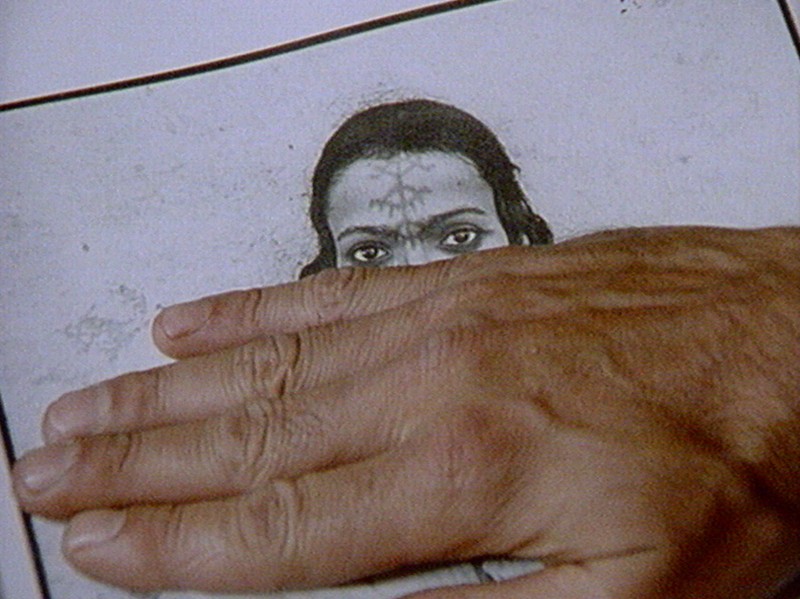
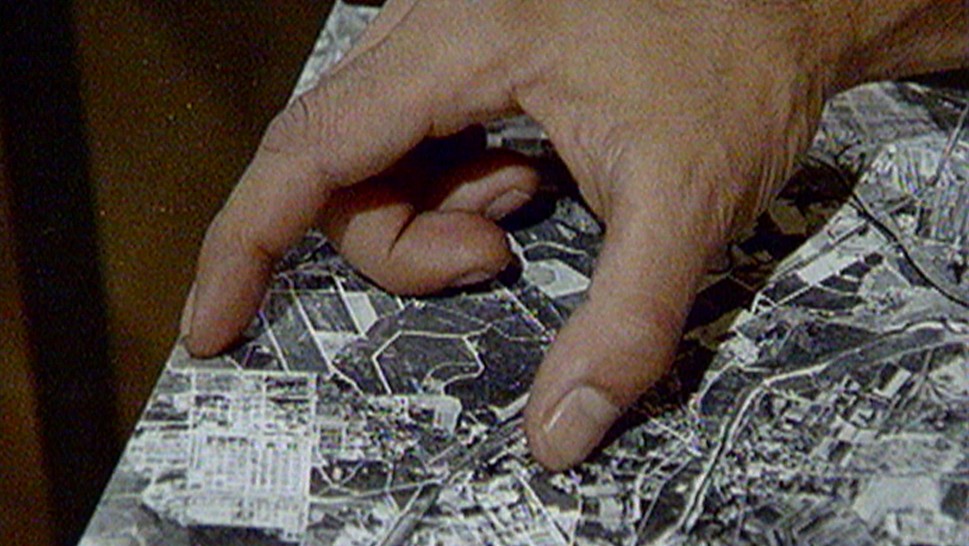
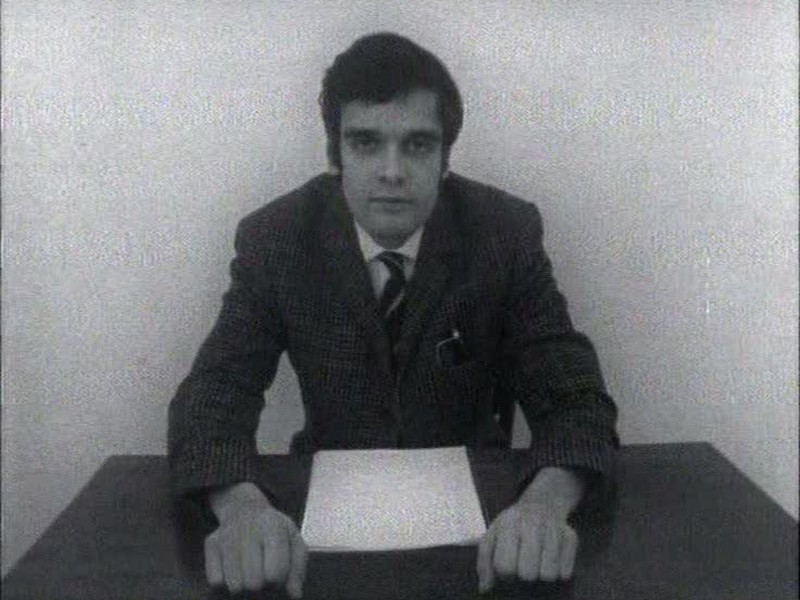
For over forty years, German filmmaker Harun Farocki (b. 1944) has been making films about the centrality of vision and the multifarious image in the modern world – and about the ways in which everyday behavior is molded by technology and changing modes of production. These twinned themes have inspired a sizeable body of work that asks its spectators to think about not just what they see but how they see, and how meaning is made. While documentaries and essay films predominate within Farocki’s prodigious oeuvre, he has also made fiction features and installation work, and even short segments for the German Sesame Street.
After studying at the German Film and Television Academy from 1966 to 1968, Farocki supported himself at the very beginning of his filmmaking career by working for West German television and as a film critic, serving from 1974 to 1984 as the editor of the celebrated German film journal Filmkritik. As his international reputation began to grow in the 1980s, Farocki turned to teaching; more recently, he has received acclaim for his film and video installations in museums and galleries around the world.
Farocki’s films and videos return again and again to a web of ideas: the changing nature of work; the dangerous ways that war and technology spur each other on; the relation between power and the image, particularly in an era of widespread surveillance; the networks of power relations that link the prison, the workplace, the supermarket and the shopping mall. In many ways Farocki offers a cinematic equivalent of the writings of the French historian/philosophers Michel Foucault and Paul Virilio.
Farocki has worked in two principal veins: the observational documentary and the essay film, with many of Farocki’s best-known films and videos falling into this latter category. Indeed, Farocki can be considered with Chris Marker to be the foremost proponent of the essay film today. In recent years Farocki has gradually turned more and more to observational work, while never entirely abandoning the essay film. Like Frederick Wiseman, Farocki’s observational films eschew commentary or elaborate montage in favor of watching a process unfold. His work betrays a genuine and almost joyous fascination with the moving image tempered by an impulse to demystify its hypnotic powers by linking it always to the technologies of production and the powers that allow the image to be everywhere, at once.
Harun Farocki and Antje Ehmann curated the exhibition The Image in Question. War – Media – Art at the Carpenter Center October 21 – December 23, 2010.
Past screenings from this program
Inextinguishable Fire / As You See
In Comparison / Nothing Ventured
I Thought I Was Seeing Convicts / Images of the World and the Inscription of War