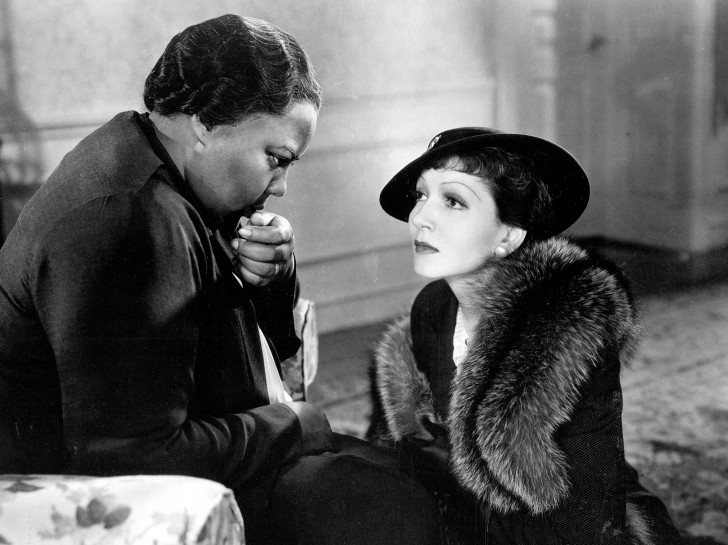
Imitation of Life
With Claudette Colbert, Warren William, Louise Beavers.
US, 1934, 35mm, black & white, 109 min.
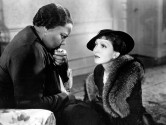
Based on Fannie Hurst’s popular novel, the successful 1934 Imitation of Life is often eclipsed by the more famous 1959 version starring Lana Turner. This Depression-era version depicts two women working together to provide for their daughters and ultimately striking it rich with “Aunt” Delilah’s pancake recipe marketed by “Miss” Bea (Colbert) and based on the hard work and culinary ingenuity of her housekeeper Delilah (Beavers). Delilah is offered 20% of the profits, yet is more concerned with continuing to serve Bea and her daughter, saying “I’se your cook. And I want to stay your cook.” Despite their success, the women face conflict with their daughters as Bea’s daughter Jessie becomes her mother’s rival in love and Peola, Delilah’s light-skinned daughter, heartwrenchingly rejects her mother in her attempts to “pass” as white. Despite the caricature of the submissive “mammy” figure, the film raised the humanization of the African-American servant in American cinema to a new level, with the introduction of Christian stoicism in the face of injustice. The real star of the film is Fredi Washington, an African-American actress whose Peola became a symbol of non-passive resistance and the film’s most complex character. As Donald Bogle noted, Peola is “the New Negro demanding a real New Deal.”
Part of film series
Screenings from this program
Veiled Aristocrats

Borderline

Imitation of Life