Lambing
The Ship Hotel – Tyne Main
Screening on Film
-
Lambing
Directed by Philip Trevelyan.
UK, 1964, 16mm, black & white, 26 min.
Print source: filmmaker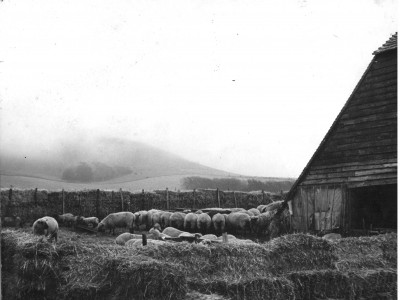
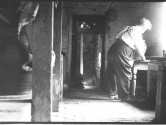
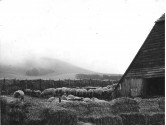
This is a film about a traditional Sussex shepherd who we follow from morning to night, through snow and wind, as he works alone with his flock. This was my first proper journey into filmmaking, and my subject was a person I had worked for and admired as a boy. We used an Arriflex camera with fixed lenses and occasionally resorted to a simple wind-up camera. No electricity was used for any lighting and all sound was “wild.”
The film is constructed from carefully edited moments in the shepherd’s routine work. His passing comments about how to deliver or feed lambs are our only guide. He sometimes reflects on the difficulties he encounters, such as the deaths of lambs or the bitterly cold snowfall. On the whole, we learn that he loves his work and that he is happy when resting in his chair by the fire, making a cup of tea or warming milk for the orphan lambs. If the film has a climax, it is captured in the struggle of a ewe giving birth to its lamb. The film ends as the evening turns to night and the shepherd returns to his chair by a warm fire: he pulls a blanket over himself and quietly sings himself to sleep.
-
The Ship Hotel – Tyne Main
Directed by Philip Trevelyan.
UK, 1967, 16mm, black & white, 35 min.
Print source: British Film Institute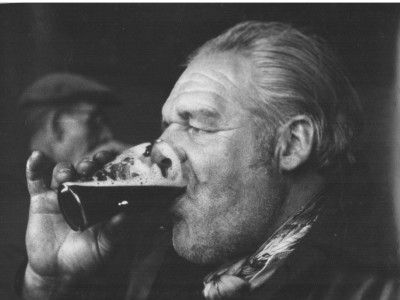
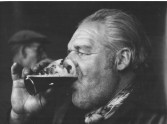
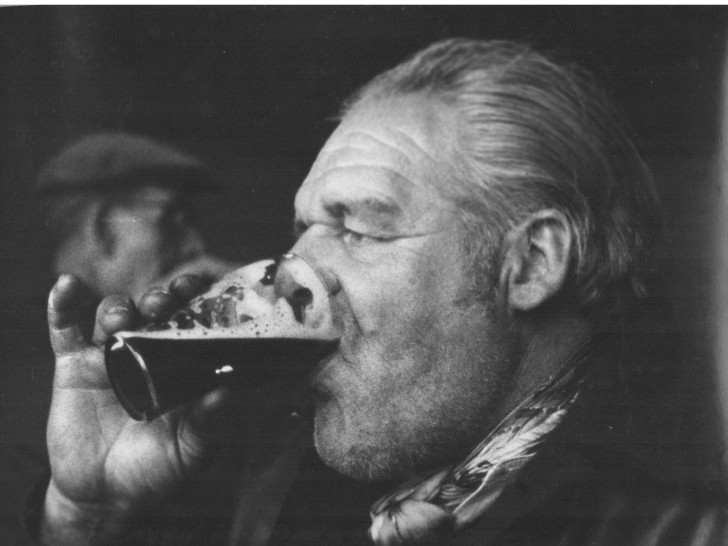
Initially, I took still photographs and wrote notes on my visits to a special and intimate riverside pub, used by engineers, ex-coal miners, factory workers and their families. The beer was cheap and well kept, singing was always encouraged and the people were close friends. There were several tales about the pub being a meeting place for lovers; I decided to add it to the purely documentary material, so the film includes three local friends who re-enact this element.
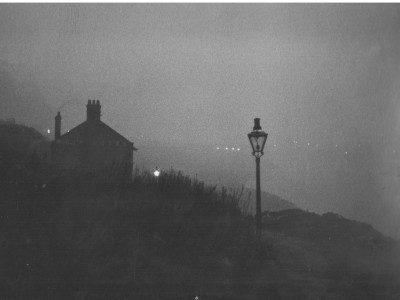
The film takes place on a Sunday, and the landlord and his wife rise early to prepare themselves and the pub for the day ahead. We see their regular customers arriving, people at the darts board, the pub gradually filling. Suddenly we meet two retired coal miners competing at dominoes. Old Tina watches the fire and enjoys a dance. Her presence provides a vehicle for reflection in several scenes. The film reaches a climax when the pub is full, the mouth organ is playing, and the singing and dancing reaches its height. It calms down when the landlord and his wife sing their love song. Before this, we have observed “Dicky,” the tattooed “rag and bone” collector, who lives alone and uses a horse and cart for his work: he is a legendary figure, partly because he once swam the river Tyne in winter, for a bet. At the end of the film, he walks out of the pub towards his home and stops for a moment, to silence a small example of the technology that interferes with the world that he knows. Well warmed by the drink, he wanders into the uncertainty of a foggy night....
Part of film series
Screenings from this program
The Moon and the Sledgehammer