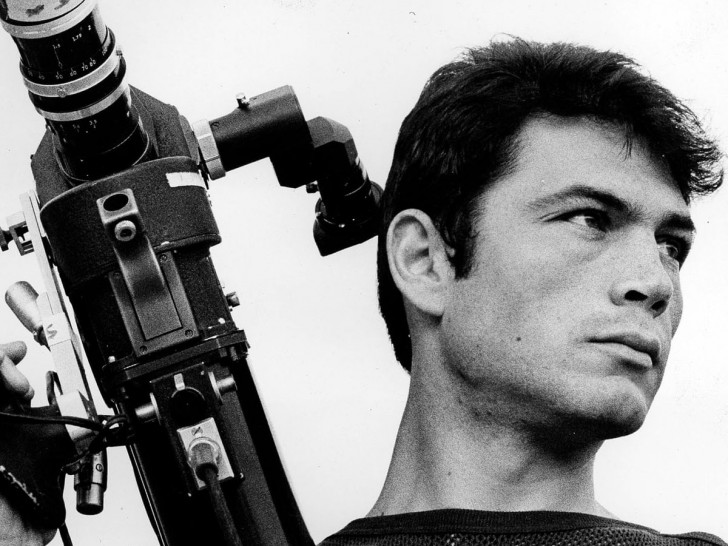
"Look Out Haskell, It's Real": The Making of Medium Cool
Medium Cool
-
"Look Out Haskell, It's Real": The Making of Medium Cool
Directed by Paul Cronin.
UK, 2001, digital video, color, 60 min.
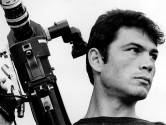
Combining interviews with the principle figures involved in the production of Haskell Wexler’s groundbreaking hybrid of fact and fiction, Medium Cool, with background material from the tumultuous era, British film scholar Paul Cronin offers up a fascinating look at a complex film and the complex times in which it was made. Utilizing never-before-seen footage, Cronin brings us glimpses of actor Warren Beatty inside the 1968 convention hall in Chicago, the oratory of civil rights activist Jesse Jackson, an interview with Chicago legend Studs Terkel, and Wexler’s own footage from the infamous convention riots—where a tear-gas canister lobbed in the direction of his camera accounts for the boundary-blurring quotation of the documentary’s title.
-
Medium Cool
Directed by Haskell Wexler.
With Robert Forster, Verna Bloom.
US, 1969, 35mm, color, 111 min.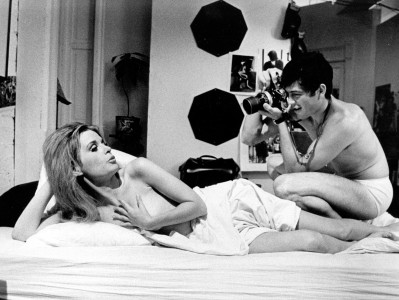
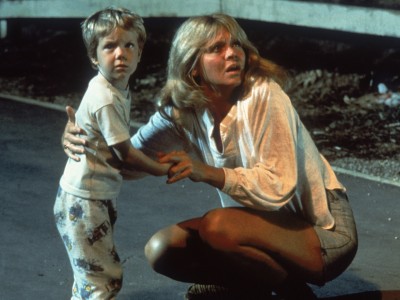
The directorial debut of veteran cinematographer Haskell Wexler, Medium Cool is a landmark independent production that makes canny use of documentary techniques in constructing a fiction feature. Set in Chicago during the 1968 Democratic National Convention, the narrative focuses on a television cameraman (Forster) who becomes personally involved with the people and stories he covers, including a black cabbie, a single mother from Appalachia (Bloom), and a group of protesters who clash with the police outside the convention hall. Designed as a “wedding between features and cinéma vérité,” Wexler’s attempt to smuggle political reality into a theatrical tale faced significant challenges from distributors, critics, and censors but has survived as an important witness to its times.