Pitfall
Tomorrow Is Another Day
Screening on Film
-
Pitfall
Directed by André de Toth.
With Dick Powell, Lizabeth Scott, Jane Wyatt.
US, 1948, 35mm, black & white, 87 min.
Print source: UCLA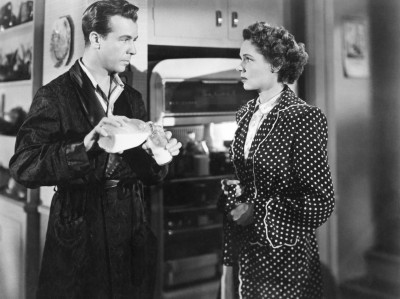
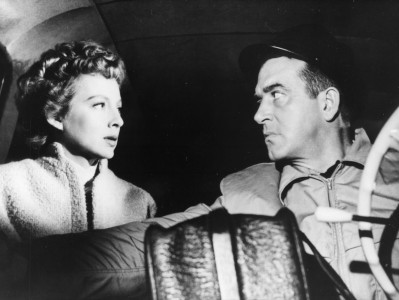
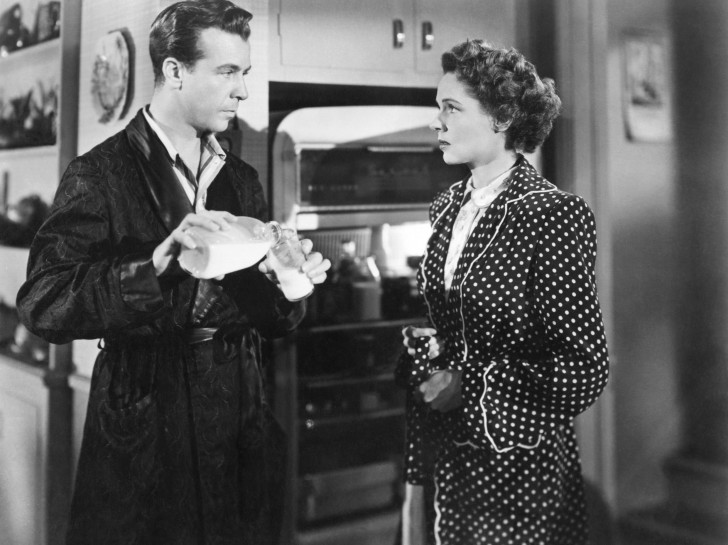
Bored with his job and his comfortable suburban existence, a married insurance adjuster (Powell) begins an affair with a beautiful model (Scott). This absorbing film noir was a particular favorite of novelist John O'Hara, who admired its fidelity to the speech, dress, manners and lifestyle of middle-class Americans in the post-WWII period. It also marks a high point in the career of the underappreciated, Hungarian-born André de Toth (ca. 1913-2002), an instinctive rebel who pushed the conventions of the American genre film to their limits with his uncompromising studies of human behavior. De Toth’s classic Westerns and film noirs influenced younger directors such as Martin Scorsese, who called him “a director's director.”
-
Tomorrow Is Another Day
Directed by Felix Feist.
With Ruth Roman, Steve Cochran, Lurene Tuttle.
US, 1951, 35mm, black & white, 90 min.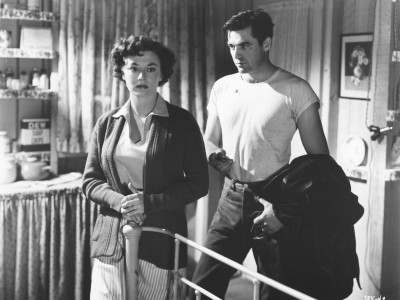
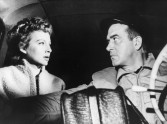
Doomed lovers on the run are a quintessentially noir archetype, combining the American romance of the outlaw with the poignant appeal of redemptive love. A powerful and little known variation is provided by legendary B film director Felix Feist (Donovan’s Brain, The Devil Thumbs a Ride) in one of his more sensitive and revealing pictures. The great Steve Cochran stars as a lonely convict just out of the pen and disoriented by the harsh logic of the outside world. Brief solace is found in his friendship with a taxi dancer (Roman)-- until her ex-lover turns up dead and the blame falls, inevitably, upon the innocent man. Haunting images of postwar Americana are vividly evoked throughout the film as specters of the dream denied the young couple. Cut short by his premature death at age 48, Cochran’s fascinating career ranged from a Warner Bros. contract, where he was typically cast as a heavy (White Heat, Highway 301), to important roles in such classic films as Wyler’s The Best Years of Our Lives and, most notably, Antonioni’s Il Grido.