Prisoners of Conscience
A Narmada Diary
-
Prisoners of Conscience
Directed by Anand Patwardhan.
India, 1978, 16mm, black & white, 45 min.
English and Hindi with English subtitles.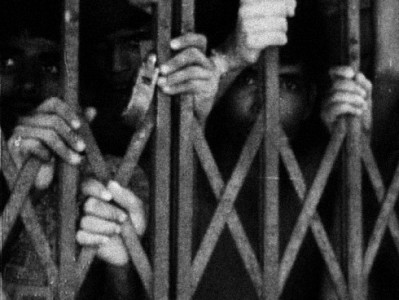
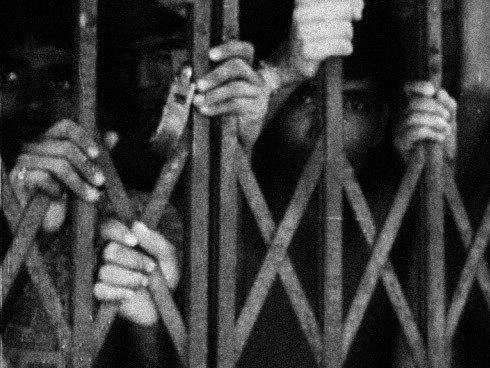
Hailed by scholars as a bold attempt to challenge official misrepresentations about the existence of political prisoners within India’s borders, Patwardhan’s early film remains an important historical record of a tumultous period in the country’s modern political history. Prisoners of Conscience focuses on the state of emergency imposed by Indira Ghandi from June 1975 through March 1977, during which more than 100,000 people were arrested without charge and imprisoned without trial. But as Patwardhan demonstrates, political prisoners existed before the Emergency and continued to exist well after it was rescinded.
-
A Narmada Diary
Directed by Anand Patwardhan and Simantini Dhuru.
India, 1995, digital video, color, 60 min.
English and Hindi with English subtitles.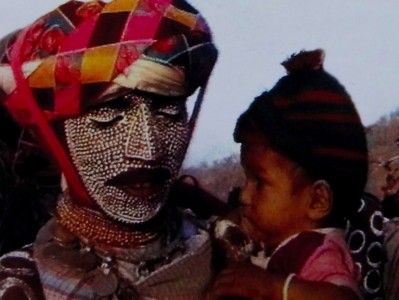
The Sardar Sarover Dam in western India, linchpin of a mammoth development project on the banks of the Narmada River, has been criticized as uneconomical and unjust. It will benefit prosperous urbanites at a cost borne by the rural poor. When completed, the dam will drown 37,000 hectares of fertile land, displace more than 200,000 Adivasi—the area’s indigenous people—and cost up to 400 billion rupees. As often is the case with such mega-projects, the ecological, cultural, and human costs have never been estimated. Patwardhan and Dhuru’s video diary focuses on the nonviolent “Save Narmada Movement,” which has spearheaded agitation against the dam and emerged, in the face of inadequate government resettlement programs, as one of the most dynamic forces in India today.
Part of film series

Screenings from this program
War and Peace


War and Peace

War and Peace