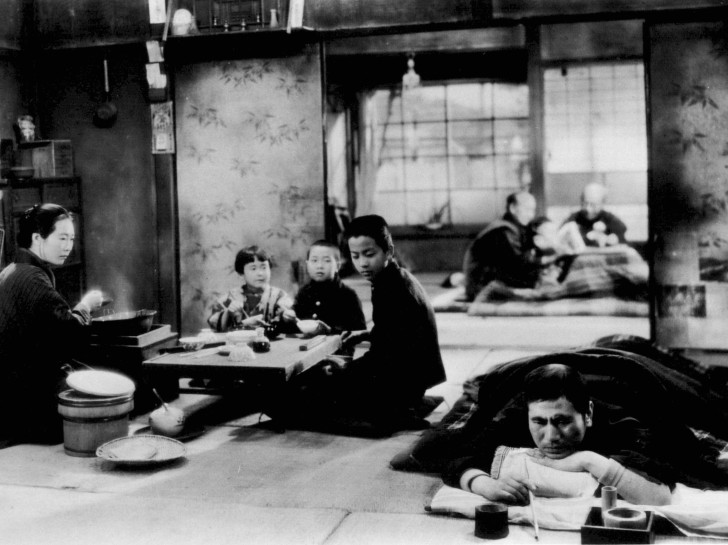
The Whole Family Works
(Hataraku ikka)
With Tokugawa Musei, Honma Noriko, Ubukata Akira.
Japan, 1939, 35mm, black & white, 65 min.
Japanese with English subtitles.
Print source: The Japan Foundation
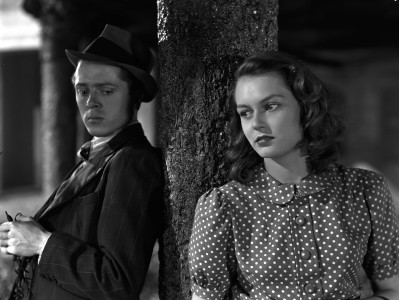
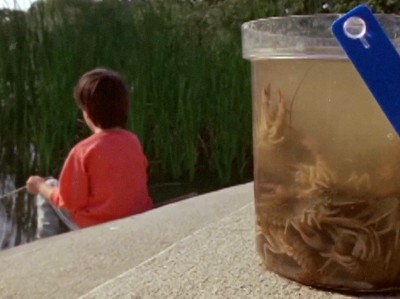
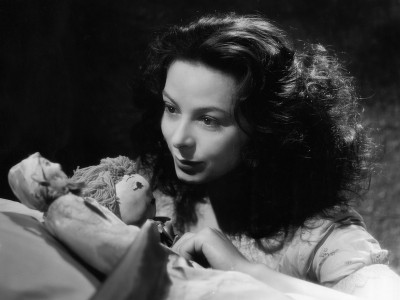
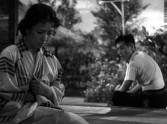
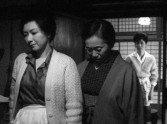
One of Naruse’s “all-time favorites,” The Whole Family Works is the filmmaker’s starkest, darkest and most sharply subversive output of the wartime years. Based on a novel by Tokunaga Sunao (of 1920s proletarian literature fame), the script maneuvered past jingoist Japan’s strict pre-censorship committees and gave Naruse exactly the type of material that he, in his own words, “understood best: stories about poor people.” A struggling family of eleven encounters an existential roadblock when its eldest son Kichi—Ubukata Akira in his fourth and last Naruse appearance—asks to be excused from factory labor to instead pursue higher education at an electricians’ college. The Ishumiras’ economic predicament is thrown into disarray, their immiseration and alcohol-laced travails depicted through low-key lighting, austere (yet emotionally loaded) camerawork and Ota Tadashi’s stunning avant-garde soundtrack. Kichi’s ultimate endorsement of filial piety—of duty to an abstract collective (or to a nation?)—is at once affirmed and exploded with a haunting, indelible last shot that sees schoolchildren leaping into a future of war and death. While many of the film’s performers are amateur non-actors, Honma Noriko would go on to achieve fame in Kurosawa’s Stray Dog, Rashomon, Ikiru and Seven Samurai. – Nace Zavrl
Part of film series
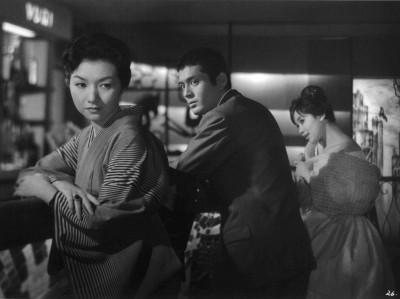
Screenings from this program
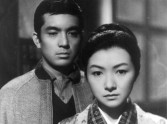
Sound of the Mountain
Anzukko
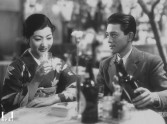
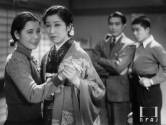
Mother
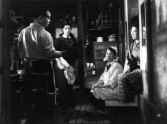
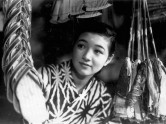
Sincerity
Summer Clouds
When a Woman Ascends the Stairs
Summer Clouds
The Stranger within a Woman
When a Woman Ascends the Stairs
Traveling Actors
Scattered Clouds
Scattered Clouds
Flowing
A Wanderer’s Notebook
Repast
Every-Night Dreams
Apart From You
No Blood Relation
Street Without End
The Road I Travel with You / Avalanche
Every-Night Dreams