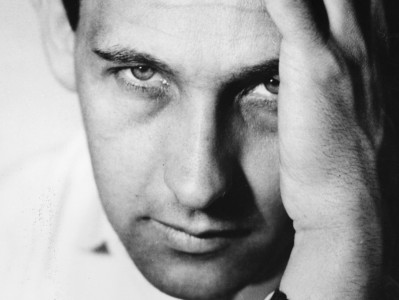
Yeong-Ja's Heydays
(Yeongja-ui jeonseongsidae)
With Yeom Bok-Soon, Song Jae-Ho, Choi Bool-Am.
South Korea, 1975, 35mm, color, 103 min.
Korean with English subtitles.
Print source: Korean Film Archive
The remarkable debut film of Ha’s friend and fellow Young Sang Sidae founder Kim Ho-Seon (b. 1941) is a striking feminist intervention that carefully transformed its seemingly template story of a young woman’s “fall” into an urgent plea for desperate Korean women pulled into predatory and exploitative traps. Adapting a best-selling book by Cho Seon-Jak, a writer especially sensitive to women’s stories, Kim Ho-Seon gave further sociological and sympathetic dimensions to the original story of a young woman’s struggles to fend off the men who prey upon her innocence. Emotionally searing yet never exploitative, Yeong-Ja’s Heydays is emblematic of the Young Sang Sidae Group’s desire to use popular cinema to raise consciousness and advance more avant-garde modes of art cinema. The film’s startlingly vérité-style opening featuring a back alley police raid of scantily clad prostitutes summarizes Kim Ho-Seon’s signature brand of distancingly raw sexuality and visual shock tactics, an avant-garde edge honed while working as assistant director for firebrand veteran Yoo Hyeon-Mok. The tremendous box office success of Yeong-Ja’s Heydays unfortunately gave birth to a wave of less progressive and crassly titillating “hostess melodramas” that continued to be made into the 1980s and with which Kim Ho-Seon’s film is often mistakenly grouped.
Part of film series

Screenings from this program




A Splendid Outing

I Am Looking for a Bride
Heavenly Homecoming to Stars 2

Byongtae and Youngja