Ernie Gehr,
in Two Parts
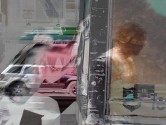
A luminary member of the post-Brakhage generation of American avant-garde filmmakers, Ernie Gehr (b. 1941) is today among the most influential artists working within, yet always reaching far beyond, the structuralist tradition that reinvigorated experimental cinema in the late 1960s and 1970s. Gehr’s early career was driven by a profound interrogation of cinematic form that extends across a long series of revelatory 16mm masterpieces. Among them are now iconic works such as Serene Velocity (1970) and his lyrical debut film Morning (1968), deeply engaging abstract films that each transform interior space into a dynamic camera obscura, rhythmic light boxes carefully designed to challenge habitual perception. Other major films such as Shift (1972-74) and Side/Walk/Shuttle (1991) use remarkably simple, strategic camera placement – pointed out an apartment window and fixed within an exterior glass elevator, respectively – to complexly engage the world outside, turning the spatio-temporality of urban experience both inside out and upside down and resulting in exhilarating, at times dizzying, cine-portraits of New York City and San Francisco. Equally important to Gehr’s film work is his fascination with the earliest chapters of film history as the fount of a pure, primal mode of cinema unshackled by conventions. Eureka (1974), which lyrically re-photographs a 1902 travelogue shot from a San Francisco streetcar, offers the purest expression of Gehr’s deep love of early cinema as a source of a joyous formal inventiveness.
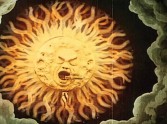
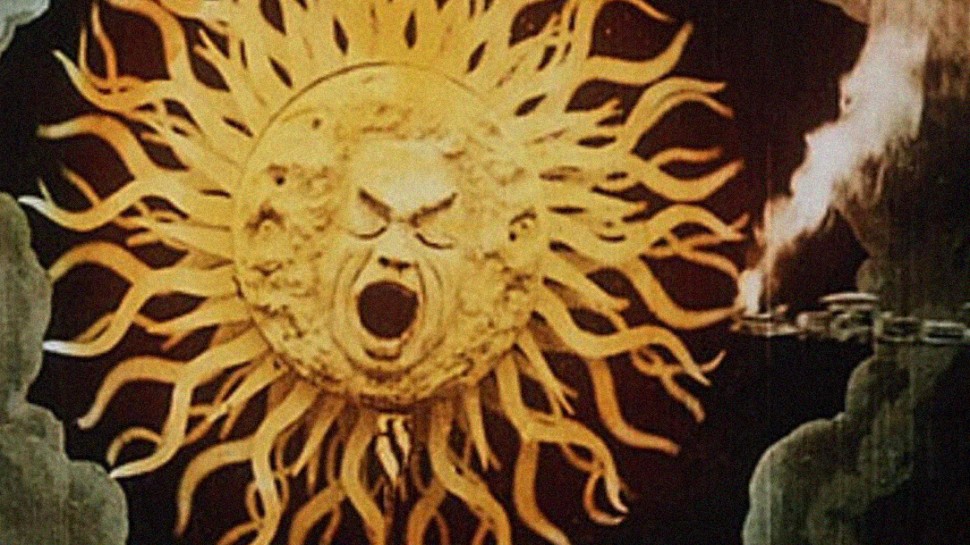
Beginning in 2001, Gehr completely shifted his production from film to video while applying the same playfully rigorous curiosity to the digital as the cinematic, seeking to harness the very essence, however ineluctable, of the “new” medium. Together with Ken Jacobs, Gehr counts among the very few artists who have proven to be equally inventive and expressive in video as film. In an attempt to keep up with Gehr’s remarkably prolific but still rarely discussed output, this two part program includes a major showcase of work made over the past few years, including three videos presented as world premieres. As a compliment, Gehr, who is a visiting professor in Spring 2011 in Harvard’s Visual and Environmental Studies Department, has curated a program of early cinema, drawing from his own extensive collection.
With open arms and with great excitement, the HFA welcomes back Ernie Gehr for two very special evenings. – Haden Guest
Visit Ernie Gehr's exhibit Picture Taking in the Carpenter Center's Sert Gallery from February 14 - April 1.
Past screenings from this program
An Evening of Early Cinema Selected by Ernie Gehr