
Fluxus on Film
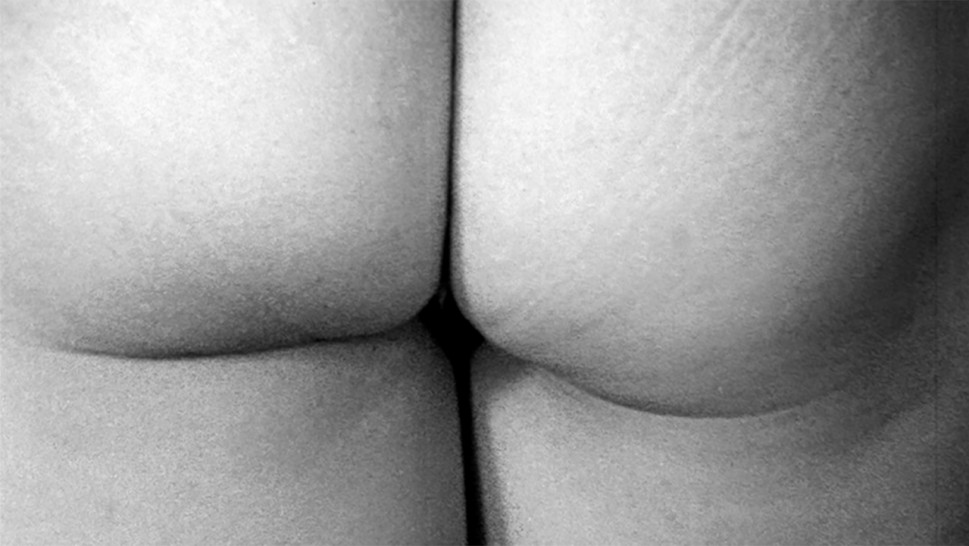
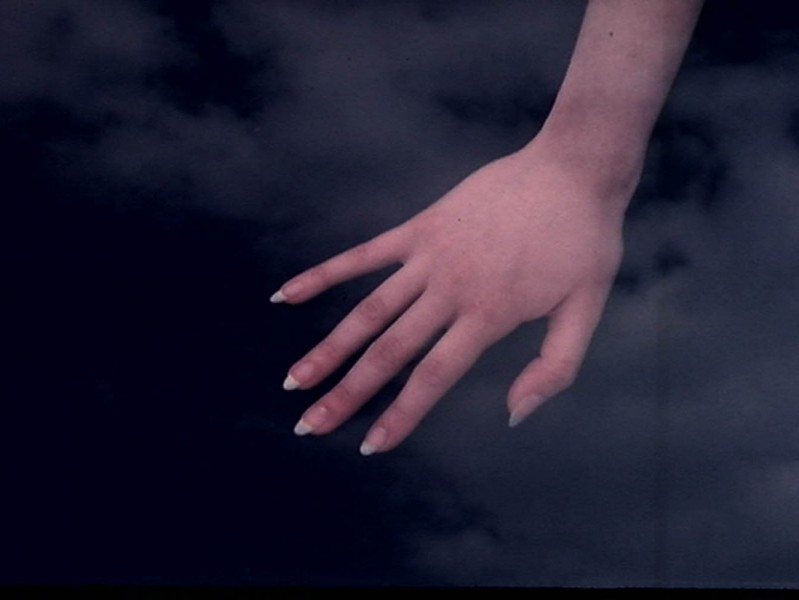
Fluxus emerged in the early 1960s as a loose, collaborative effort—centered around Lithuanian-born American artist George Maciunas (1931-1978)—to dethrone “serious” culture by creating unassuming, simply-structured, and often humorous objects and performances demonstrating that “anything can be art and anyone can do it.” Film played an important role in this self-described “rear-guard” from its earliest days, both as a medium in itself and as a means to document a wide range of otherwise ephemeral performance activities that often blurred the line between art and life. Beginning in 1964, Maciunas published a series of forty-one “Fluxfilms” by a wide range of artists. These films (and others) were projected as part of Fluxus festivals and distributed in a variety of formats including stand-alone 16mm prints, compilation reels, and short 8mm loops.
These two programs, by no means comprehensive, offer a glimpse into a pivotal moment in twentieth-century art. The range of approaches represented reflects the heterogeneity of Fluxus itself, which, as artist George Brecht observed in 1964, was united not by a common style or methodology but by a shared sense that the bounds of what could be considered “art” had far exceeded the limits of conventional aesthetic categories.