
Jack Smith’s “Aesthetic of Delirium”
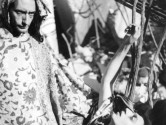
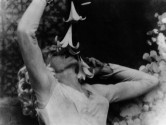
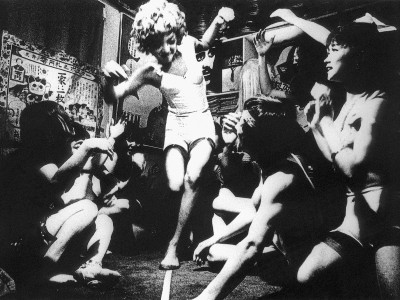
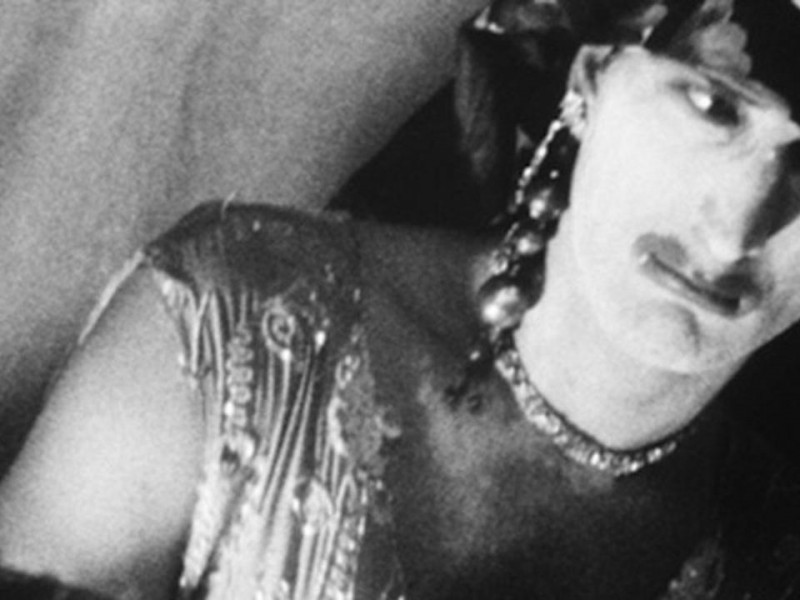
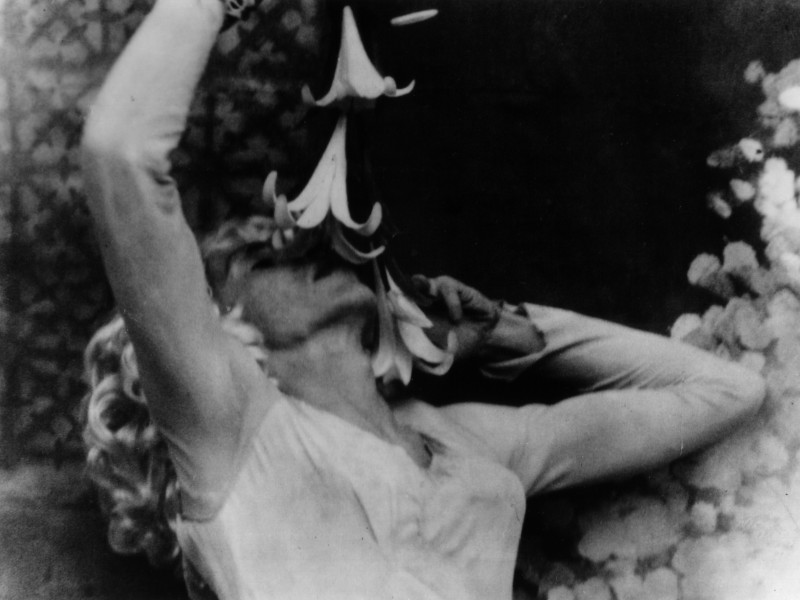
The underground film, art, and performance scene that flourished in downtown NY in the 60s, 70s, and 80s revolved around a handful of stars whose visionary ideas generated a transformation in American art and cinema. Jack Smith was one of these key figures, and the legends and particularities that surround the outpouring of his imagination resonate in the work of artists that include Andy Warhol, John Waters, Richard Foreman, and Ken Jacobs. The measure of Smith’s eccentricity is expressed in the dual source of his major inspirations, literalized in the title of Jacobs’ 1959 portrait of him. Blonde Cobra was a character Smith imagined for himself, a persona combining the exotic Maria Montez—the oft-ridiculed queen of Universal Studios’ string of 1940s adventure pictures Cobra Woman and Arabian Nights and Smith’s revered Muse—with his admiration for Josef von Sternberg’s visual and spiritual aesthetic. The opulence of Sternberg’s mise-en-scene, paired with the decadent and androgynous sexuality simmering in his films (like Blonde Venus), influenced Smith to a degree not always appreciated in the experience of his work, which often focuses exclusively on the camp aesthetic it engendered. On the arrival of Mary Jordan’s brand new documentary Jack Smith and the Destruction of Atlantis, we will present some of the available manifestations of Smith’s rapturous and enigmatic presence as performer, filmmaker, and inspiration.