
The Human Condition
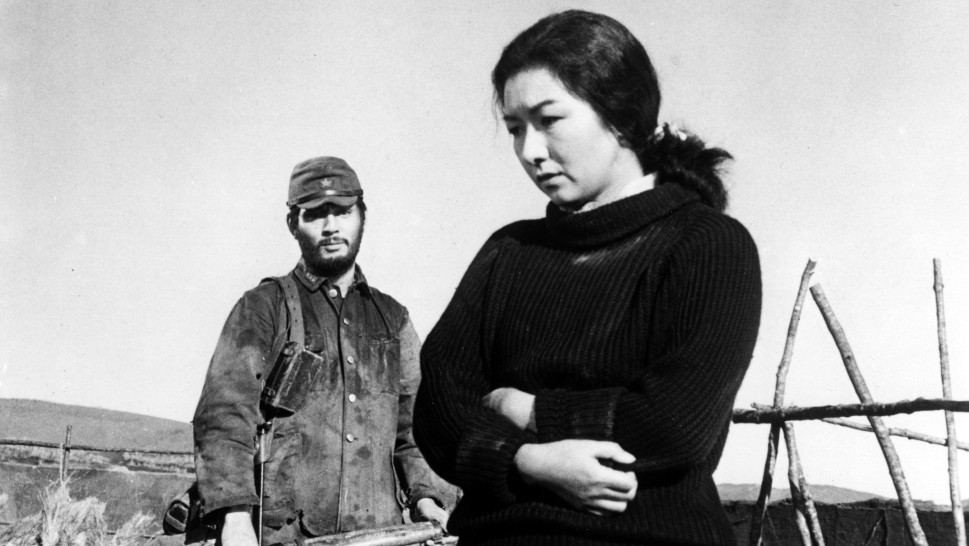
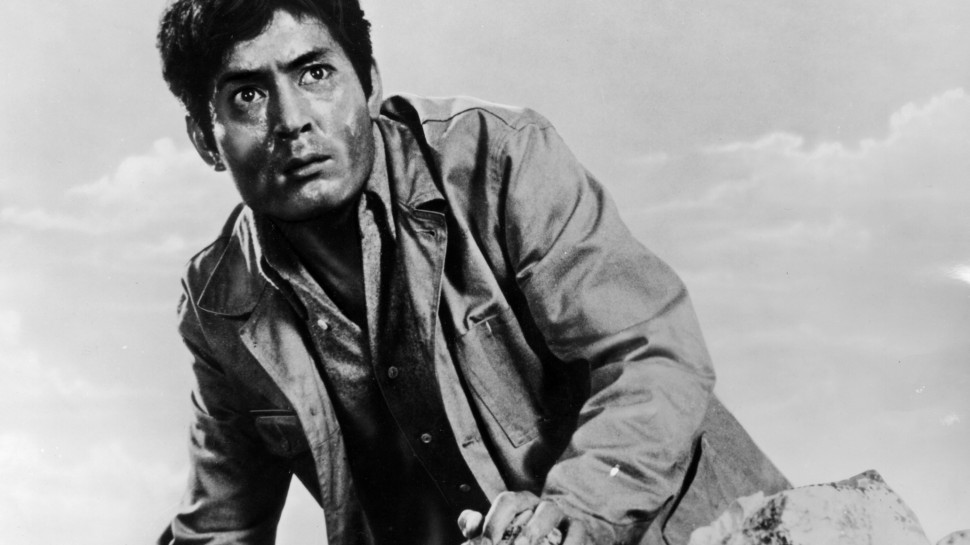
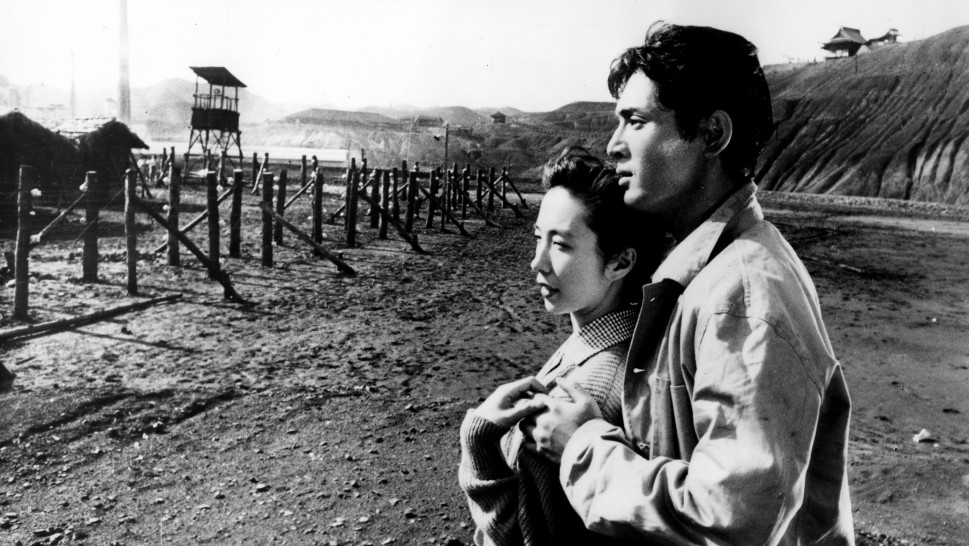
The extraordinary oeuvre of firebrand director Kobayashi Masaki (1916 – 1996) is anchored by a powerful series of films that unflinchingly critique the dark legacy of militarism in Japan. Among them is Kobayashi’s towering magnum opus, the nine-and-a-half-hour WWII epic The Human Condition (1959-61). Set in occupied Manchuria, The Human Condition stars the late Nakadai Tatsuya in a career-defining role as Kaji, a steely conscientious objector thrust into the cruel furnace of the Japanese war machine. The harrowingly wayward journey of Kaji across the films traces a haunting circle as he stumbles from supervisor of a Japanese forced labor camp/mine to combat soldier and finally as a prisoner of war in a Soviet gulag. Kobayashi faithfully adapted Gomikawa Junpei’s eponymous and autobiographically inspired novel, keeping its six-part structure, now paired into three films. Kobayashi’s film also embraces Gomikawa’s difficult theme that in war there simply can be no heroes. For Kobayashi, The Human Condition was a deeply personal work that closely channeled his own traumatic experience—parallel, in fact, to that of Gomikawa, a pacifist conscripted into the Imperial Army where he saw brutal combat and ended the war in a POW labor camp. Years later Kobayashi offered another reckoning with Japan’s military aggression in the epic documentary that would be his penultimate film, Tokyo Trial (1983) a patiently searing, almost five-hour, archivally researched probing of the International Military Tribunal for the Far East, the Nuremberg Trials-inspired prosecution of Japanese war crimes.
The Harvard Film Archive is proud to present The Human Condition, screening a newly struck 35mm print that is part of the Shochiku Centennial Collection. – Haden Guest
Current HFA members enjoy free admission to all of the screenings in this series.
Upcoming screenings from this program
The Human Condition I: No Greater Love
The Human Condition II: Road to Eternity

The Human Condition III: A Soldier’s Prayer
Past screenings from this program
The Human Condition I: No Greater Love