The Book of Mary
After the Reconciliation
-
The Book of Mary (Le livre de Marie)
Directed by Anne-Marie Miéville.
With Bruno Cremer, Aurore Clément, Rebecca Hampton.
France/Switzerland, 1984, digital video, color, 27 min.
French with English subtitles.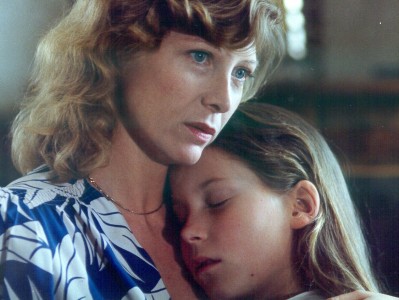
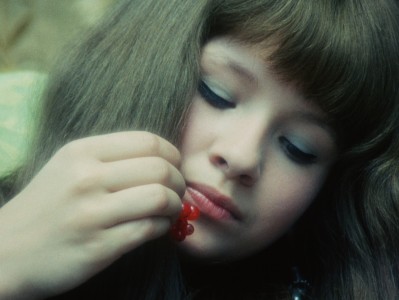
Set at the moment her mother and father separate, this exacting portrait of a child immersed in her books, her music, and her dancing casts a dispassionate yet ultimately touching eye on the girl’s reaction to the new upheaval in her life. The Book of Mary is Miéville’s meditation on the end of childhood.
-
After the Reconciliation (Après la réconciliation)
Directed by Anne-Marie Miéville.
With Anne-Marie Miéville, Jean-Luc Godard, Claude Perron.
France/Switzerland, 2000, 35mm, color, 74 min.
French with English subtitles.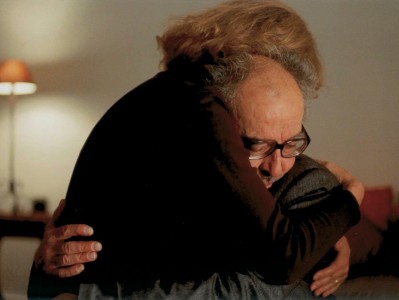
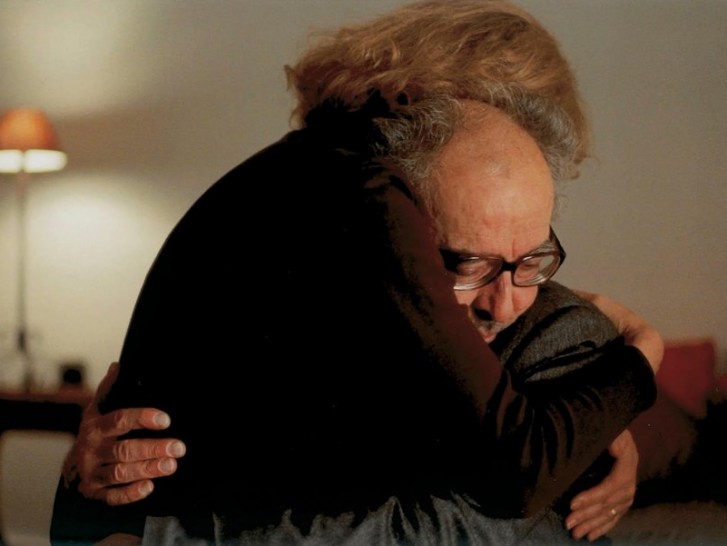
At the center of this meditation on relationships, intellectual boredom, and the limits of language is the director herself, one of a quartet of characters (two men, two women) who meet and converse in an attempt to come to terms with such fundamental issues as love and happiness. (“I hope you’re not counting on love to make you happy,” a sardonic Godard proclaims at one point to a starry-eyed couple!) Filled with literary and philosophical allusions to the likes of Joseph Conrad, Martin Heidegger, Victor Hugo, and Leo Tolstoy, Miéville’s film is equally suffused with warmth and humor as it revisits aspects of the director’s autobiographical and philosophical past.
Part of film series
Screenings from this program
The Book of Mary / After the Reconciliation
How Can I Love / My Favorite Story
Living It Up / Lou Didn't Say No

We're All Still Here
How Can I Love / My Favorite Story
We're All Still Here
The Book of Mary / After the Reconciliation