The Way Steel Was Tempered
(Tako se kalio čelik)
With Lazar Ristovski, Tatjana Pujin, Ljiljana Blagojević.
Yugoslavia, 1988, 35mm, color, 101 min.
BCMS with English subtitles.
Print source: Slovenian Cinematheque
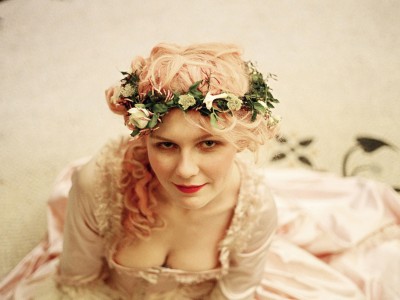
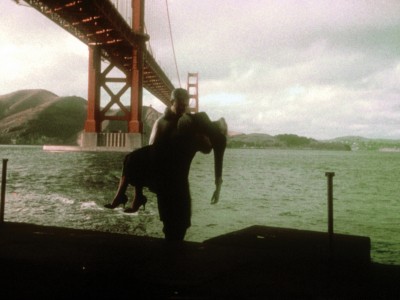
The Way Steel Was Tempered is many things: a kinetic crime melodrama, a prophetic comedic look into turbo(neo)liberal usurpations of factories and industry, a snapshot of Yugoslavia under the increasing stranglehold of factionalism, ideological equivocation and the barbaric pursuit of power at all costs. Yet it is also, in a peculiar sense, a remake. Želimir Žilnik—who toured the Harvard Film Archive in November last year and whose Oldtimer was made immediately after this one—confesses as much without hesitation or bravado: “Every filmmaker is inspired or encouraged by other people’s films. This is as clear as day. Not a single filmmaker exists who was never excited, intrigued, moved or angered in a movie theater. In April 1988, I was invited by Sveta Udovički [former director of Neoplanta production, once removed and now reinstalled] to urgently make a ‘simple film, but it has to be a comedy.’ The film had to be finished in time for the Pula Film Festival in summer. The offer was provocative, but I couldn’t turn down Sveta. I called Miša Milošević and together we watched Lina Wertmüller’s The Seduction of Mimi (1972). Are these influences visible in The Way Steel Was Tempered? I should not be the one to claim that.”
PRECEDED BY
-
Merry Working Class (Vesela klasa)
Directed by Bojana Marijan Makavejev.
Yugoslavia, 1969, 35mm, black & white, 13 min.
BCMS with English subtitles.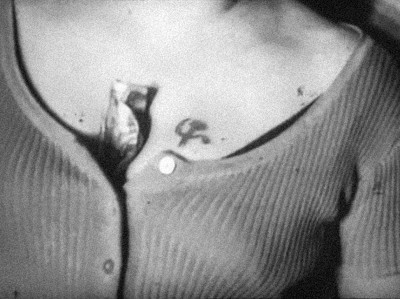
Žilnik’s singular spin on the Italian mafia classic screens after Merry Working Class, a scandalously underseen treasure by Bojana Marijan, Žilnik and Dušan Makavejev’s colleague at the Novi Sad kino klub (and the latter’s future wife). The writer Branko Vučićević extolled Vesela klasa as the only film that “out-Žilniked” Žilnik, while Amos Vogel synopsized it in Film as a Subversive Art as “a clandestine political argument, presented in the form of satirical songs and vulgar couplets about nutrition and sex, foreign policy, and the belief in the future. Instead of complaints, there are lyrics, music, and wine.”
Part of film series
Screenings from this program



Siberian Lady Macbeth




The Soldier
Where to After the Rain?