Undercurrents:
Neglected Works from the French New Wave
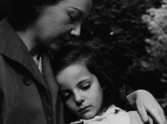
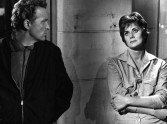
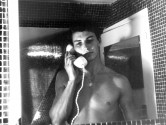
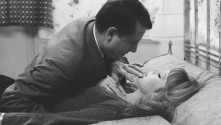
The French New Wave (“la Nouvelle Vague”) was less a cohesive movement than a journalistic term of convenience coined to embrace the sudden appearance on many fronts of new and stylistically innovative films by young directors. The great critical and commercial success during the watershed years 1959 and 1960 of such still-revered films as The Four Hundred Blows and Shoot the Piano Player (Truffaut), Hiroshima mon amour (Resnais), Breathless (Jean-Luc Godard), Les Cousins (Chabrol), Cléo from 5 to 7 (Varda), and Lola (Demy) gave producers the necessary encouragement to finance the work of young filmmakers throughout the country—a trend that soon would spread elsewhere. In 1959, twenty-four directors made their first feature films in France; a year later forty-three more filmmakers were able to launch their first projects; and by 1961 more than one hundred first films received financing. This period remains one of the most fertile in the history of film, spawning the production of works of wildly differing approaches—full of cinematic impertinence, playfulness, emotion, and personal conviction. While certain films of the period are regularly revived, many other accomplished works have fallen by the wayside, often simply because of the vagaries of distribution. This series is a modest attempt to showcase a few of the many examples from the rich variety of cinematic practice brought forth in the wake of the New Wave.