Le Pont du Nord
With Bulle Ogier, Pascale Ogier, Jean-Francois Stevenin.
France, 1981, 35mm, color, 129 min.
French with English subtitles.
Print source: The Film Desk
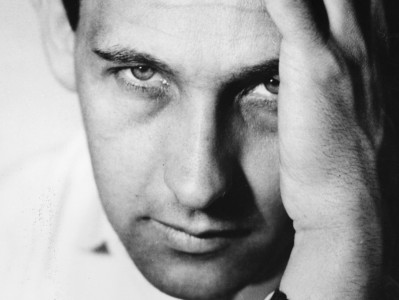
Jacques Rivette (B. 1928) is a filmmaker bathed in equal parts renown and obscurity. Truffaut wrote that the French New Wave began “thanks to Rivette,” but Rivette’s films are seen and discussed far less frequently than those of his compatriots. Perhaps due in part to his penchant for formal iconoclasm and ephemeral narrativity, much of his work has gone without U.S. distribution. A glowing exception is his most celebrated and well-known film, 1974’s Celine and Julie Go Boating, a three-hour-plus improvised fantasia of magical ritual, literary reference and whimsical role-playing. After spending the end of the ‘70s attempting to mount ever-more experimental projects, 1981’s Le Pont du Nord was considered Rivette’s “comeback” film, a standard-length feature revisiting the methods and themes of the longer Celine, as well as the notorious 13-hour Out 1 (1971). Despite its accessible shape and resonances with Rivette’s best-loved film, Le Pont du Nord is only now receiving its first U.S. theatrical release.
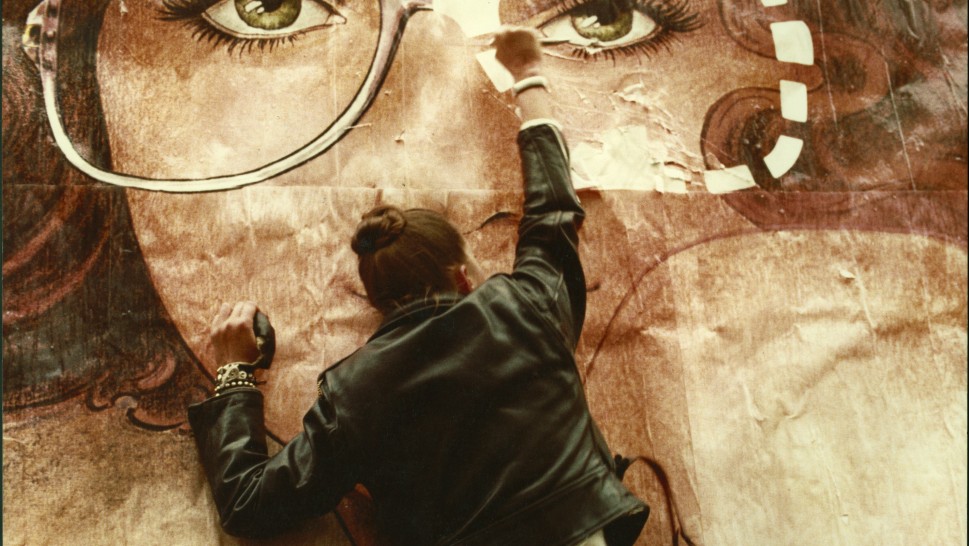
Rivette manages to distill many of his recurring themes and tropes into the film’s 129 minutes: chance encounters, secret conspiracies, urban labyrinths, female friendship, magic and myth, and a porous membrane between fantasy and reality. The film follows Marie and Baptiste (played by real-life mother and daughter pair, Bulle and Pascale Ogier), two women on a sort of dream quest through Paris, the city re-imagined by Rivette’s camera as a surreal landscape of mystery and danger. Marie, recently released from prison and deathly claustrophobic, searches for her long-lost lover amid a web of intrigue; Baptiste is a leather-clad drifter who vigilantly guards against spies and enemy warriors that she claims are all around them. As the two move deeper into the heart of the city, the film takes on the structure of a children’s game, and reveals its secrets only to further confound. Shot quickly and cheaply but gorgeously on 16mm, Le Pont du Nord is at once weightless and dense, strikingly real and hauntingly mystical. — Jason Michelitch