Past Image Present: An Evening with Rebecca Baron
Screening on Film
Probing essays on how history is constructed and the role images play in our understanding of the past, Los Angeles-based filmmaker Rebecca Baron’s award-winning films and videos have screened widely in international film festivals and media venues including International Film Festival Rotterdam, the New York Film Festival, the Viennale and the Whitney Museum of American Art. Baron’s elliptical and open ended presentation refuses totalizing historical narrative to instead investigate still photography and its relationship to the moving image, the role of chance in human experience, and the power and the pleasure of looking. Currently on leave from CalArts, where she is the Associate Dean of the School of Film/Video and teaches documentary and experimental film, Baron is a visiting faculty member at Harvard and the Massachusetts College of Art.
PROGRAM
-
okay bye-bye
Directed by Rebecca Baron.
US, 1998, 16mm, color, 39 min.
Print source: Filmmaker
Combining epistolary narrative, personal meditation and journalism, okay bye-bye examines the possibility of comprehending something as monumental as the genocidal slaughter of Cambodians during the Pol Pot regime. The discovery of a scrap of super-8 footage of an unidentified Cambodian man spurs Baron’s “private research” into the Khmer Rouge and the archived photographs of the Tuol Sleng death camp, generating a reflection on the complicated relationship between image and memory, the past and the present.
-
The Idea of North
Directed by Rebecca Baron.
US, 1995, 16mm, black & white, 14 min.
Print source: Filmmaker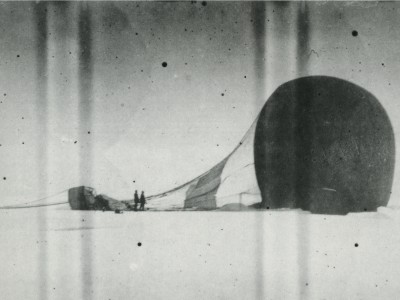
Photographs recovered from an 1897 polar expedition (a failed attempt to reach the North Pole by hot air balloon) stimulate a reflection on “the limitations of images and other forms of record as a means of knowing the past and the paradoxical interplay of film time, historical time, real time and the fixed moment of the photograph” (NYFF program notes).
-
Spare Time
Directed by Humphrey Jennings.
UK, 1939, 16mm, black & white, 15 min.
A poetic look at the leisure time of the British working class and an extension of Jennings’ involvement with Britain’s Mass Observation movement.
-
How Little We Know of Our Neighbors
Directed by Rebecca Baron.
US, 2005, digital video, color, 49 min.
Copy source: Filmmaker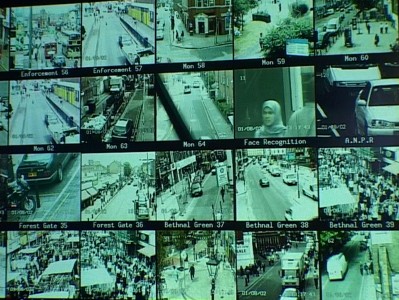
Reaching beyond the history of the Mass Observation movement (an eccentric social science enterprise that combined surrealism with anthropology), Baron’s video traces the development of portable photographic cameras in the late 1880s to their quick adaptation into spy cameras, How Little We Know of Our Neighbors invites the viewer to contemplate what is driving various acts of surveillance and how technology easily shifts between being a tool of authoritarianism, art, voyeurism, entertainment and commerce. Text from David Dinnell’s TV Eye.