Visions of a City, Or A Weekend in San Francisco
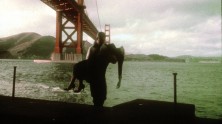
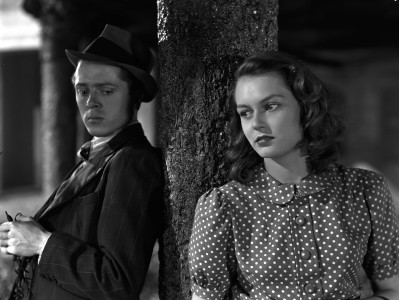
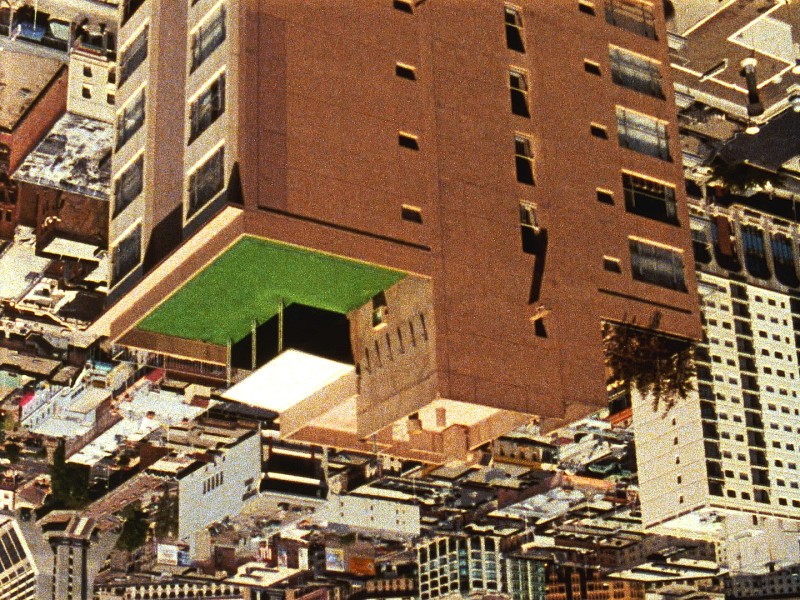
San Francisco occupies a unique place in American film history and the cinematic imaginary. Long a vital center for independent and avant-garde cinema, San Francisco’s unique physical, historical and emotional topography has inspired bold, non-conformist films by experimental and studio directors alike. If a genre of the San Francisco film can be named (the leading question of this series), it would be defined by the series of remarkable films that conjure a haunted city gripped by shadow doubles, be they Barbary Coast ghosts of old money and ill repute, zombie forces or subversive criminals weaving sinister nets across its undulating urban grid. The idea of an urban uncanny is embodied in the doppelgängers that recur in a rich variety of unexpected forms across this program’s films. Yet these mysterious doubles are ultimately just one expression of a larger pattern of oneiric echoes, spellbinding reflections and hidden audio recordings that promise to unlock the darkest secrets animating the netherworlds that thrive in San Francisco as a cinematic city.
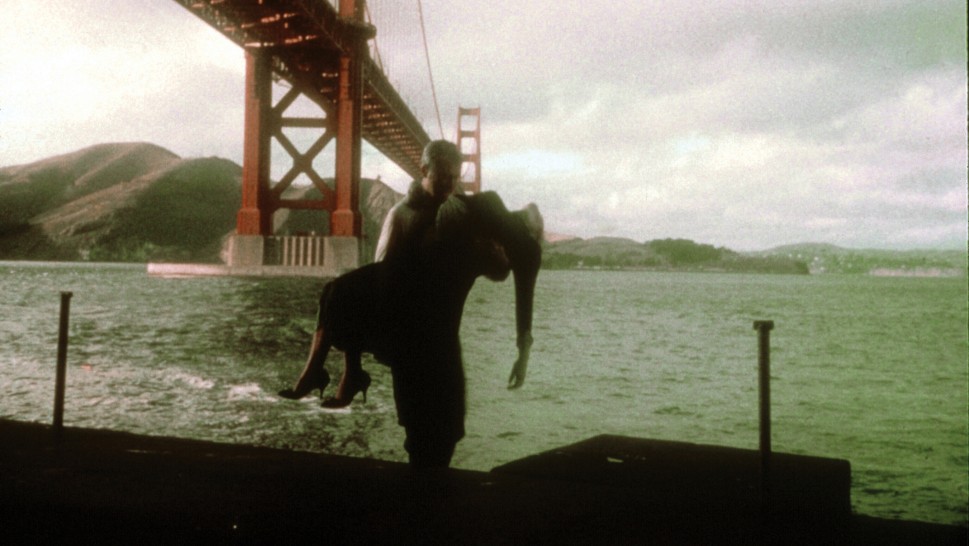
Seen together, the films in this program reveal a psychogeography of San Francisco as a place of profound alienation and loss. Expressed first in the 1940s cycle of film noir which features the Golden City as a fog-shrouded zone of intertwined criminal and amorous duplicity, this vision of San Francisco took sharper form once location shooting gave fully cinematic dimension to the singular landscapes of the so-called City of Forty-Two Hills. The disorientating power of San Francisco on screen is rendered iconic in radically contrasting yet equally spellbinding versions of car chases central to two key films: Bullitt’s thrillingly dangerous, realist car pursuit and Vertigo’s meditative sequences of Jimmy Stewart tailing Kim Novak. The malleability of time and space in the San Francisco film is taken to another level in the avant-garde films of Nathaniel Dorsky, Ernie Gehr and Lawrence Jordan, who use handheld 16mm cameras and alternate speeds to illuminate lyrical visions of the city that capture the everyday rhythm of the street. The constellation of San Francisco films assembled here also share a dangerous attraction to vertiginous heights that presage or lead directly to dramatic climaxes, as if to declare vertigo as an urban condition. The films also share brooding scores by a stellar group of composers—Henry Mancini, Lalo Schifrin, Elmer Bernstein, Franz Waxman, Bernard Herrmann, among them—whose music expressively defines the city as a melancholy, wistful mood—a state of mind poised between fragile promise and regret. – Haden Guest
Upcoming screenings from this program
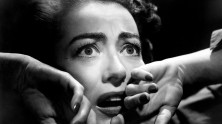
Sudden Fear
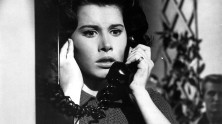
Experiment in Terror
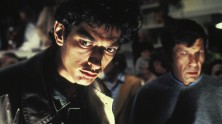
Invasion of the Body Snatchers
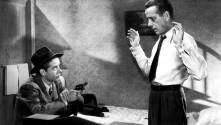
Vertigo