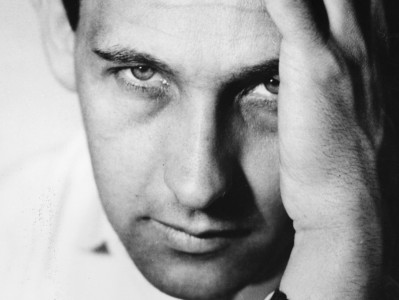
Fear and Desire
With Frank Silvera, Paul Mazursky, Kenneth Harp.
US, 1952, 35mm, black & white, 62 min.
Print source: Library of Congress
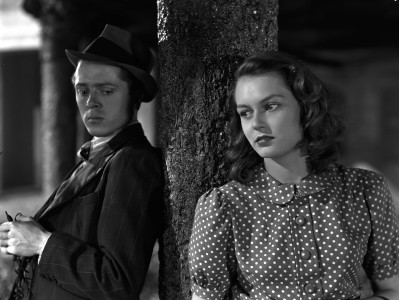
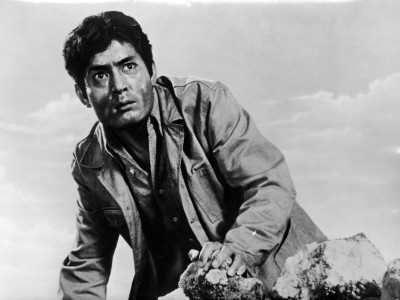
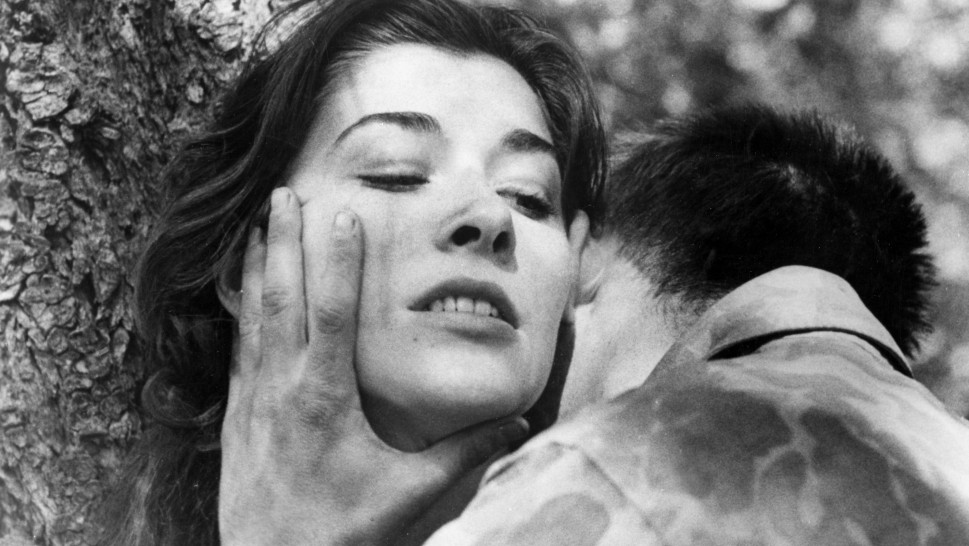
Dismissed by Kubrick himself as a “bumbling amateur film exercise” when it was recirculated in the 1990s, Fear and Desire gets short shrift in most comprehensive studies of the director but deserves attention for its anomalous status as the first independent art film made in the US after World War II. Anticipating the Jungian wartime hellscape of Full Metal Jacket, the film concerns a handful of young soldiers fighting an unnamed enemy in an imaginary war, their group dynamic gradually disintegrating as questions arise about strategy and morality. Shot with family money in the San Gabriel Mountains of California (a landscape previously unknown to the then twenty-four-year-old Kubrick), the director’s debut feature lacks the decisiveness and polish of his mature work but compensates with its bleary, dreamlike atmosphere, accomplished with lengthy pine tree shadows, abstract shallow focus and editing rhythms that evoke Soviet expressionism.
FOLLOWED BY
-
The Seafarers
Directed by Stanley Kubrick.
US, 1953, 16mm, color, 30 min.
Print source: Library of Congress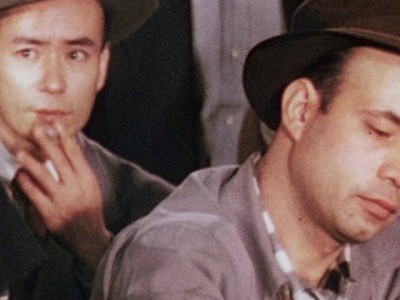
Produced on a commission from the Seafarers International Union, Kubrick’s final documentary before moving into narrative features does not try to transcend its origins as a simple propaganda piece for its financing organization. Set to a swaggering narration by CBS newscaster Don Hollenbeck, The Seafarers glorifies the inner workings of the SIU and the fundamental decency of its members through a procedural documentation of the union’s Atlantic and Gulf Coast District facilities, where like-minded men can fraternize in robust facilities that represent a testament to the strength of the postwar labor movement. Necessarily straightforward in its visual presentation, the film nonetheless contains a few striking tracking shots, a documentarian’s feel for faces and the kinds of stray details—like a shot of a pin-up calendar in SIU’s on-site barber shop—that speak to Kubrick’s developing preoccupations.
Part of film series
Screenings from this program

Killer's Kiss

The Killing

Paths of Glory

Lolita

Spartacus - Restored Version

Dr. Strangelove or: How I Learned to Stop Worrying and Love the Bomb

Spartacus

2001: A Space Odyssey

Dr. Strangelove or: How I Learned to Stop Worrying and Love the Bomb
One-Eyed Jacks

A Clockwork Orange

Barry Lyndon

Barry Lyndon
The Shining

Full Metal Jacket

Eyes Wide Shut

A.I. Artificial Intelligence