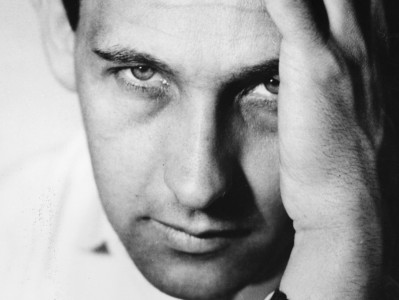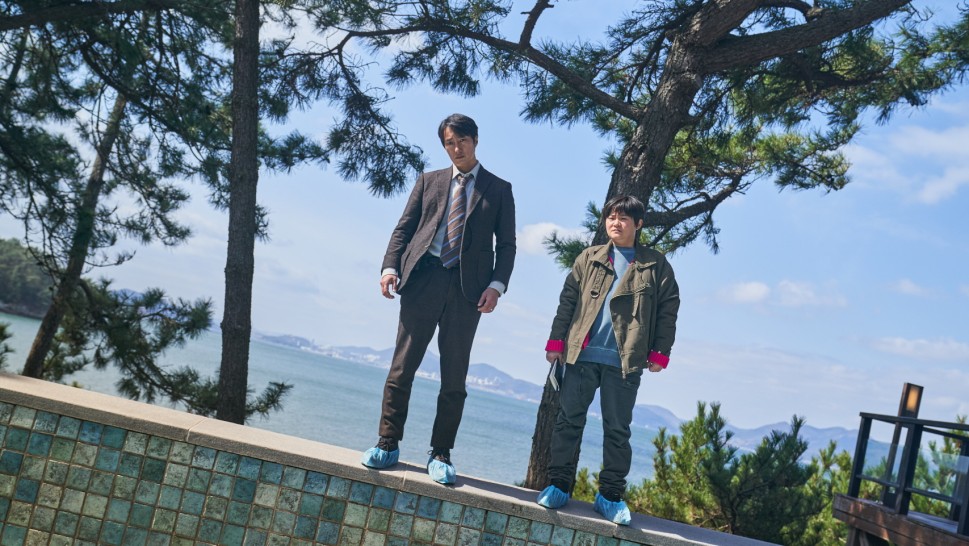
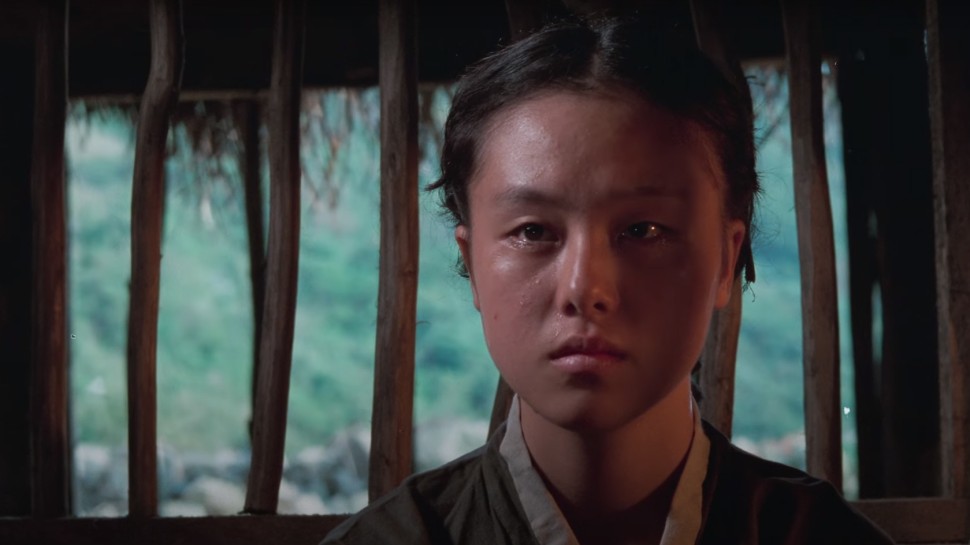
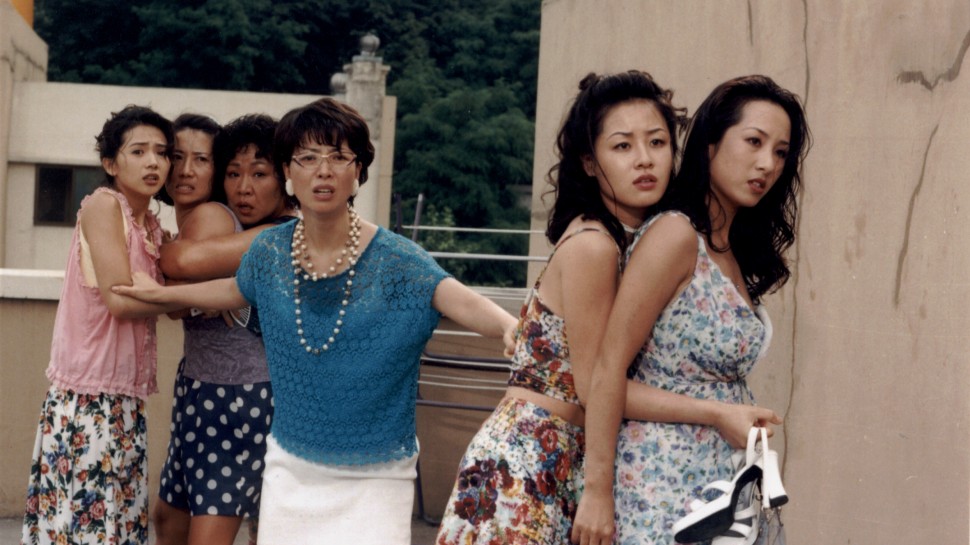
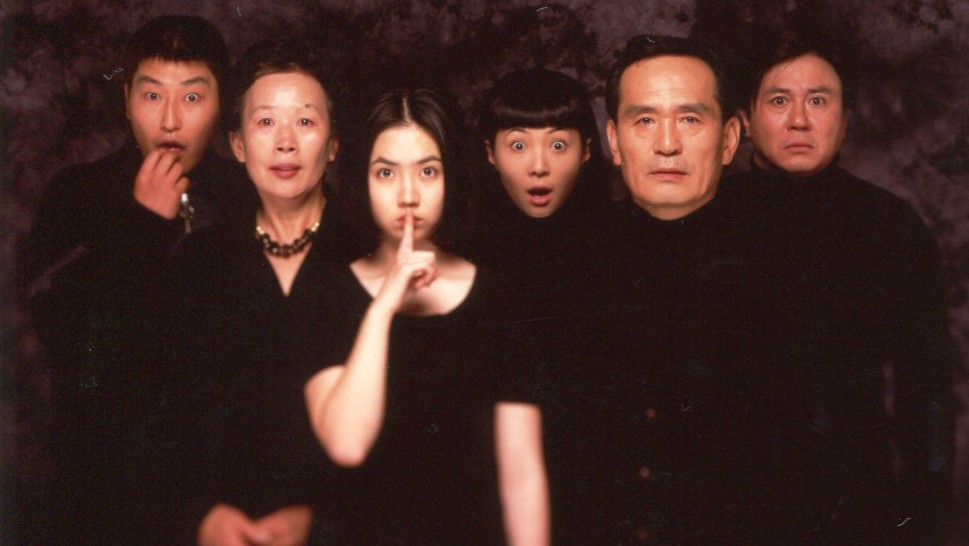
Crime Scenes as History. Five Korean Films
Crime and cinema share an intimacy with darkness. Just as the illuminated screen reaches out into the shadowed theater, crime’s projected images gesture toward a realm beyond full comprehension. Alternating between the viewpoints of investigator, perpetrator and all-seeing audience, the cinematic portrayal of crime resists narrative closure. Even as it unmasks the killer or reveals a motive, it paradoxically displaces truth—placing it outside the frame, back into the darkness.
This film series offers a case for conceptualizing the crime film as a form of social critique which does not conceal but rather amplifies pervasive structures of violence through the use of darkness. If, as film scholar Vicki Callahan has compellingly observed, film noir is a “style of uncertainty” where “what we see is rarely what we know,”[1] the South Korean films selected for this series enrich this insight beyond the bounds of a single genre. Employing labyrinthine spatiality, dim lighting, and fast-cut scenes, these works evoke a crime that exceeds what is depicted on screen. That is, the cinema itself becomes a crime scene, in which the scale and atrocity of violence defy description. What we witness here, then, are traces of the violence of power—military dictatorship, gender hierarchy, racialized labor—etched into the very structures of sight and sense. These films invite us to feel where seeing fails, and where the darkness itself begins to speak. – Chan Yong Bu
Past screenings from this program
Life Line
The Last Witness
Decision to Leave