The Lady and the Typewriter
As women came into the workforce in the early twentieth century, the image of the working woman entered the cultural imagination. In Hollywood, she was often what Maria DiBattista has called the “fast-talking dame”—an independent woman whose wit was as sharp as her style.
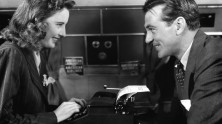
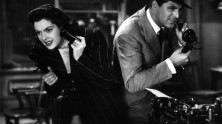
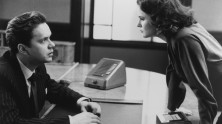
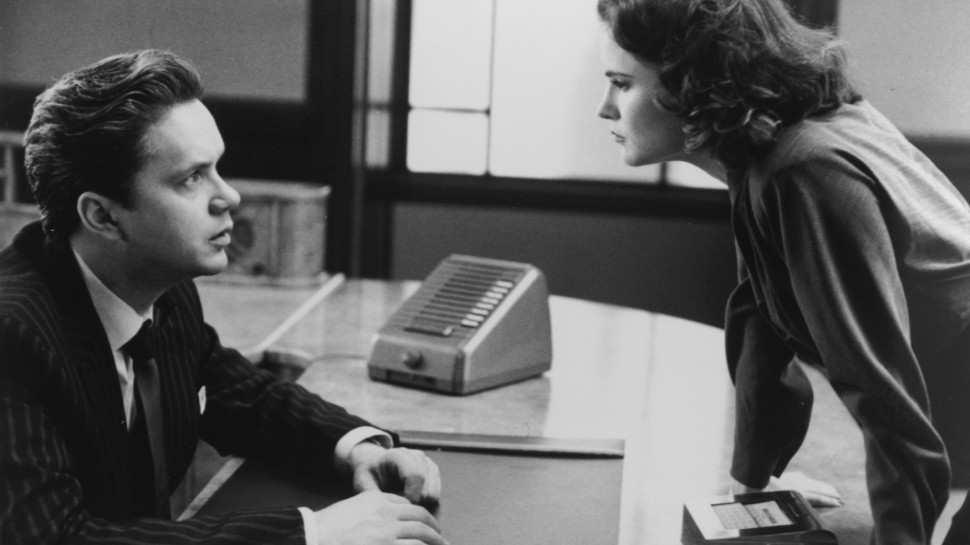
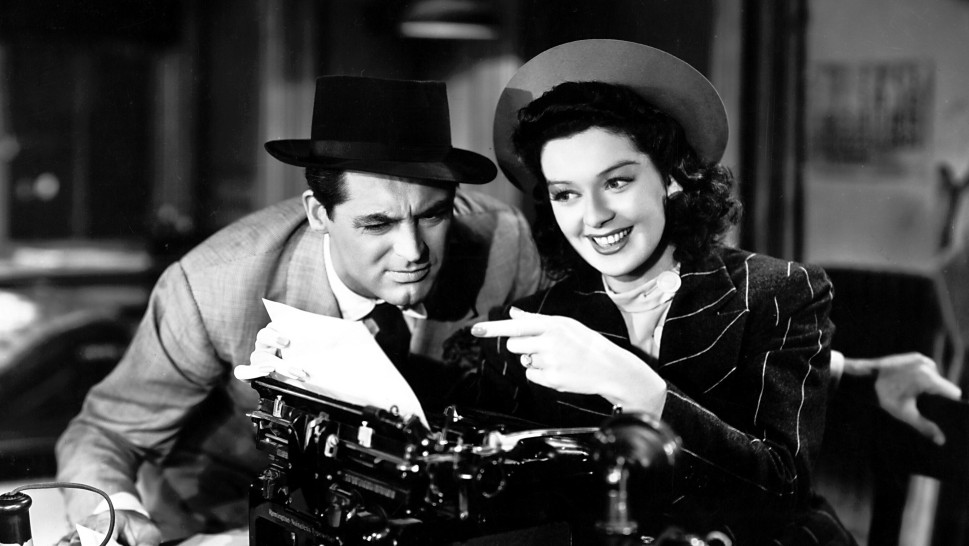
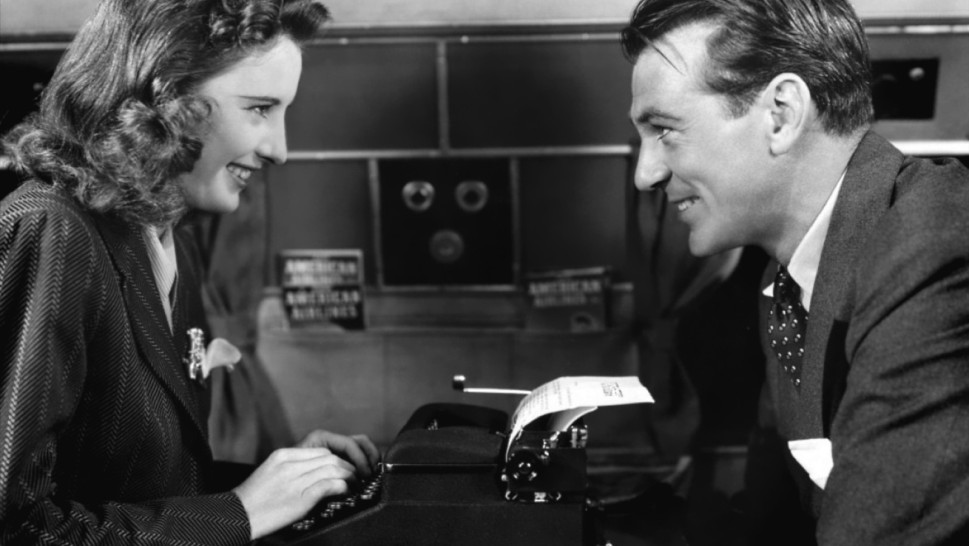
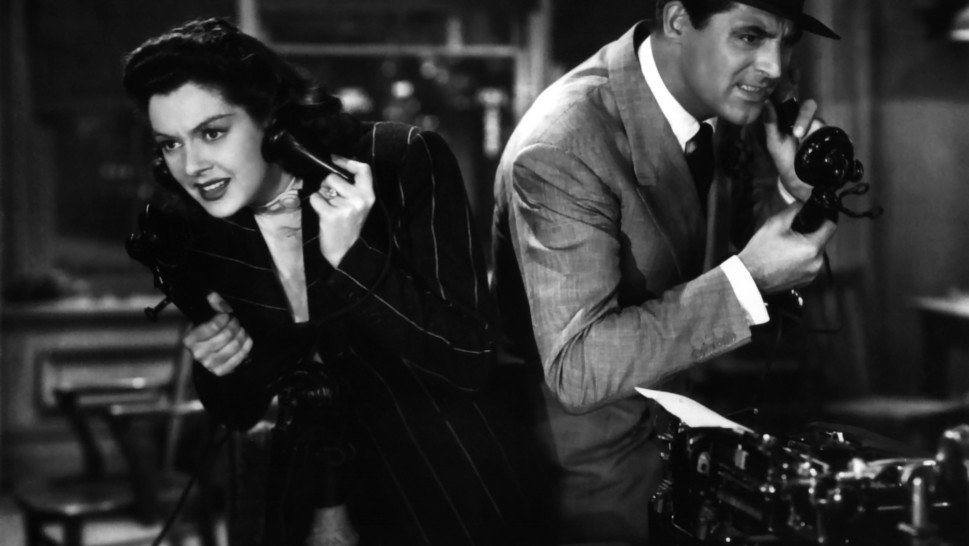
This film series, presented in collaboration with the Houghton Library exhibition Thanks for Typing, spotlights women who make their living at the typewriter—dames who type as fast as they talk. The working women of these films propel the plots with their words, bewitching and bewildering their male counterparts. In Frank Capra’s Meet John Doe (1941), reporter Ann Mitchell writes a successful newspaper column under the everyman alias “John Doe;” when the public clamors to meet the real Doe, Ann hires an unemployed baseball player to serve as her front man, eventually molding him into a messianic political figure who threatens to topple the U.S government. Hildy Johnson, the ace reporter at the center of Howard Hawks’ His Girl Friday (1940), has decided to give up the newspaper business for a quiet, married life, but can’t resist covering one last story for her editor and ex-husband (Cary Grant), who’s determined to win her back (for journalism, of course). The Hudsucker Proxy (1994), the Coen Brothers’ loving send-up of classic Hollywood screwballs, finds reporter Amy Archer going undercover as a secretary at Hudsucker Industries, where she discovers that the naive new CEO is an unwitting pawn in a much larger scheme.
Typewriters clack throughout these films, underscoring their central themes: women and work, words and power. In all three films, women write for a living, and their words give them power, often over less-verbal men. Ann Mitchell of Meet John Doe is a female Pygmalion, using her typewriter to transform the laconic John Willoughby from a tramp into a presidential candidate, while Amy Archer of The Hudsucker Proxy takes dictation in her role as secretary and spins the same words into her exposés as reporter. The typewriter even proves stronger than the confines of domesticity. Near the climax of His Girl Friday, Hildy Johnson can barely hear the pleas of her fiancé over the sound of her typewriter: “Can’t you see this is the biggest thing in my life!” she cries. “I’m a newspaper man!”
This film series accompanies the exhibition Thanks for Typing, which explores the labor of female typists and their contributions to key works of nineteenth- and twentieth-century literature and art, on view at Houghton Library through May 1, 2026. – Christine Jacobson, Associate Curator of Modern Books & Manuscripts, Houghton Library
Current HFA members enjoy free admission to all of the screenings in this series.