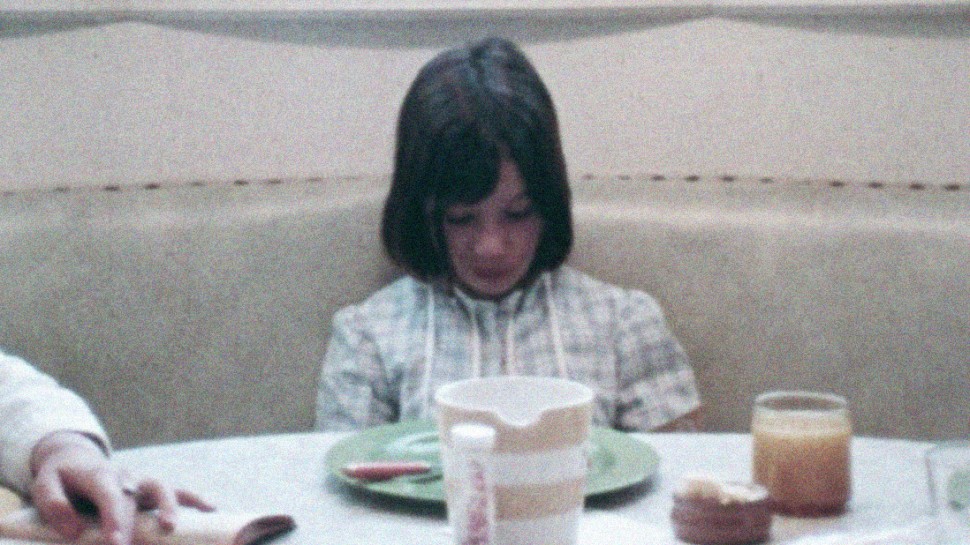
Growing Up Female, Second-Wave
Screening on Film
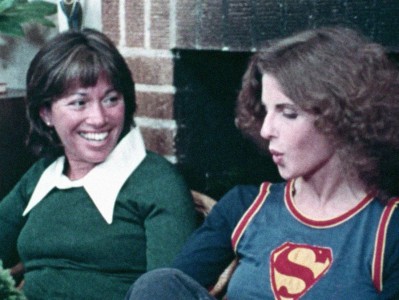
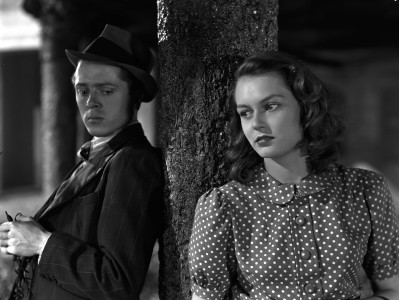
As witnessed in a selection of three films from the HFA collection, the women’s liberation movement in the sixties and seventies may occasionally seem dated, almost quaint, since the concept of feminism does not hold the same charge and controversy it once did. However, comparing that era with today, many elements of sexism appear to have only atomized. It is ever-present yet often barely palpable within the complex ether that makes up today’s cultural and media messaging. On the 70s feminist documentarian forefront, the films in this program reveal both how far women have come in their autonomy and rights, as well as how deeply entrenched certain biases remain—not to mention the battles (i.e., beauty culture) somewhat sacrificed along the way.
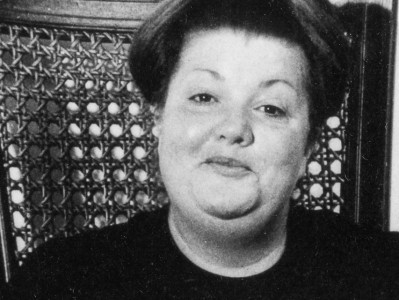
Each film serves as a potent time capsule that continues to reverberate with what it means to be female today, like the stories Betty tells in Liane Brandon’s exquisitely spare film—each told in a single, uncut take—poignantly exposing the double (or more) existences most women embody. (The fraught female self-image that conflates a woman’s appearance with her worth has unfortunately been proven ageless.) Julia Reichert and James Klein’s documentary Growing Up Female—which the filmmakers referred to as "the first film of the modern women’s movement”—follows young, Midwestern females of various ages to take a verité pulse of where they are, what are their dreams and what is affecting those dreams—among them an openly sexist, hipster advertising wizard gleefully describing the process of exploiting women’s vulnerabilities and constructing unrealistic images to sell products.
Significantly, both of these films were some of the first to be distributed by the equitable cooperative New Day Films, and their filmmakers, along with Amalie Rothschild, the founders. Wanting to reach wide, mainstream audiences, the directors had encountered poor distribution methods for feminist films, and their media was their message. They were as immersed in the politics as the art; each of them played multiple roles, they were collective, collaborative and self-sufficient. In Brandon’s case, she was the director, cinematographer and editor of Betty Tells Her Story.
As Julia Reichert noted, “I certainly thought of film as a tool for social change. I did not think of it as a personal expression.” These were films made to catalyze social transformation, and they did. They were crucial in sparking the formation of women’s centers and consciousness-raising groups like those seen in Norma Abrams’ lesser known … And Everything Nice, another fascinating window into the transforming lives of American women—featuring commentary by Gloria Steinem and Margaret Sloan-Hunter, among others. It was also distributed by an alternate method via the National Psychomedia Center which curated groups of films and arranged screenings at various community venues, including churches and free health clinics.
What may emerge as most striking now are the low expectations and modest goals of most of the girls and women in these films, along with the insidious, pervasive instructions to serve men. At a time when liberation and equality had become household words, they had yet to be fully embraced even by more independent-thinking women or open-minded men. These earnest documents are both necessary monuments to the myriad constraints—normalized and rationalized as biological necessities—imposed on women for generations, as well as eerie reflections of those that persist. – Brittany Gravely
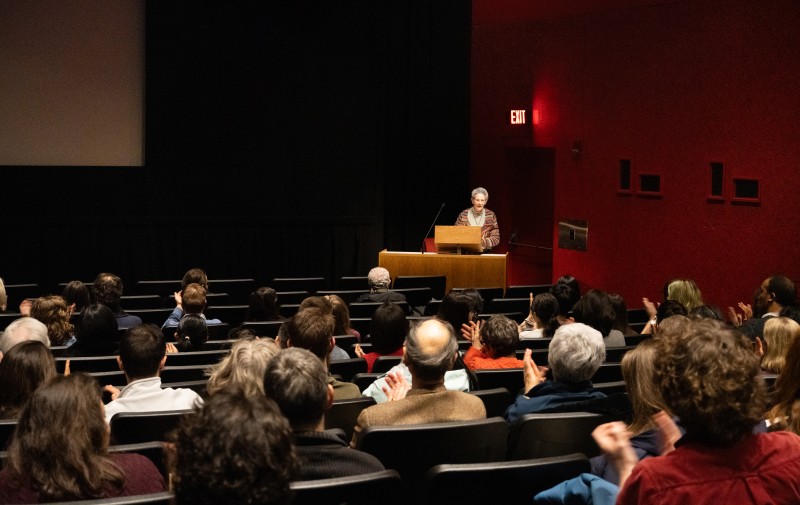
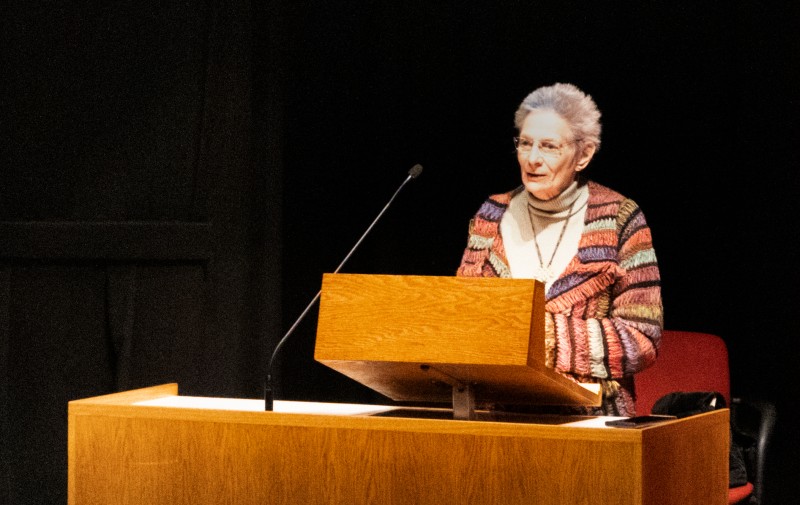
The Harvard Film Archive welcomes the acclaimed filmmaker, photographer and professor emeritus Liane Brandon to the cinema to introduce her film Betty Tells Her Story and provide insight to these films and the charged era in which they were made.
PROGRAM
-
Betty Tells Her Story
-
Growing Up Female
Directed by Julia Reichert and James Klein.
US, 1971, 16mm, black & white, 50 min.
Print source: Harvard Film Archive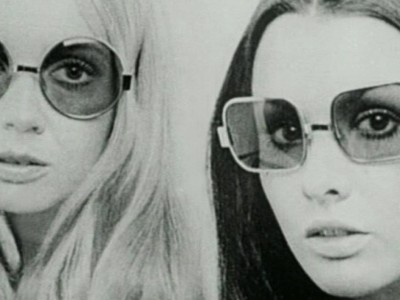
-
… And Everything Nice