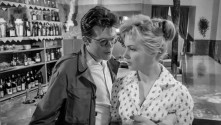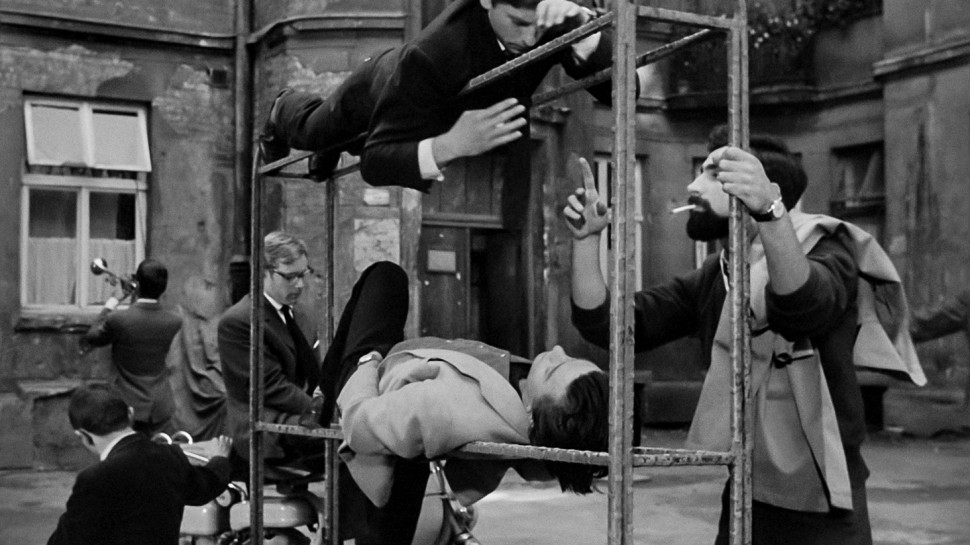
Innocent Sorcerers
(Niewinni czarodzieje)
With Tadeusz Łomnicki, Krystyna Stypułkowska, Wanda Koczeska.
Poland, 1960, DCP, black & white, 83 min.
Polish with English subtitles.
DCP source: Jessica Rosner
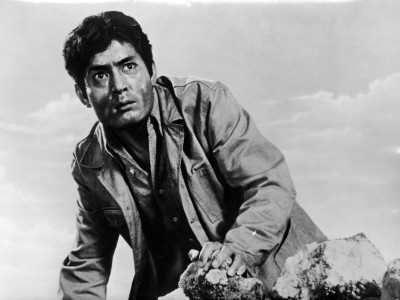
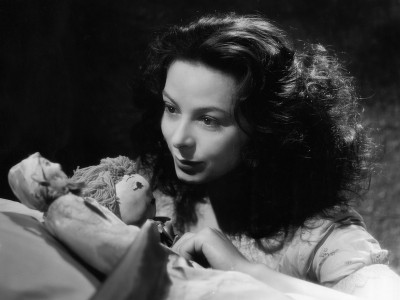
Wajda’s singular New Wave film—shot two months before À bout de souffle but released after—follows a noncommittal hipster through a series of pararomantic encounters in nightclubs, apartments and boxing rings. Dismissed both by early critics and the director (who subsequently called the early ’60s the “most difficult period” of his life), Innocent Sorcerers has since been reappraised as a key entry in postwar Polish cinema. Youth culture, jazz, motorbikes and promiscuity abound in a freshly-thawed Warsaw under the influence of Western capital and culture. History and politics are absent, with Wajda’s attention turned instead to the contemporary music scene he and then-twenty-year-old screenwriter Jerzy Skolimowski experienced at the Łódź Film School. Pianist Krzysztof Komeda composed the electrifying score and played himself in a cameo, where Zbigniew Cybulski also makes an appearance. One of Wajda’s liveliest films is also one of his best, soured only by a happy ending didactically tacked on at the eleventh hour by censors.
Part of film series
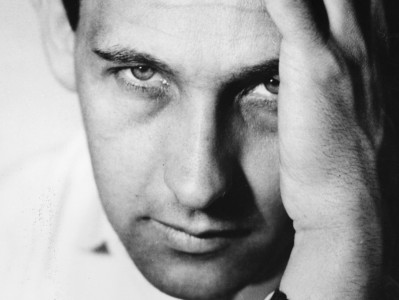
Upcoming screenings from this program

Innocent Sorcerers
Kanał
The Promised Land

Man of Marble

Wałęsa: Man of Hope
Man of Iron

The Conductor

Without Anesthesia, aka Rough Treatment
Pan Tadeusz, aka The Last Days
Ashes and Diamonds