Kanał
With Teresa Iżewska, Tadeusz Janczar, Wieńczysław Gliński.
Poland, 1957, 35mm, black & white, 96 min.
Polish and German with English subtitles.
Print source: Harvard Film Archive
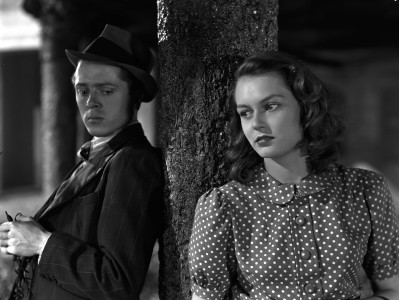
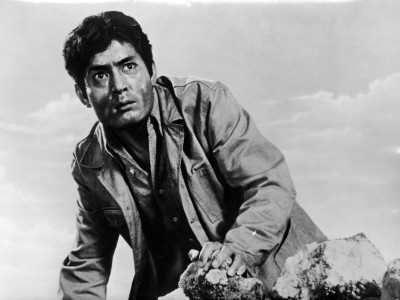
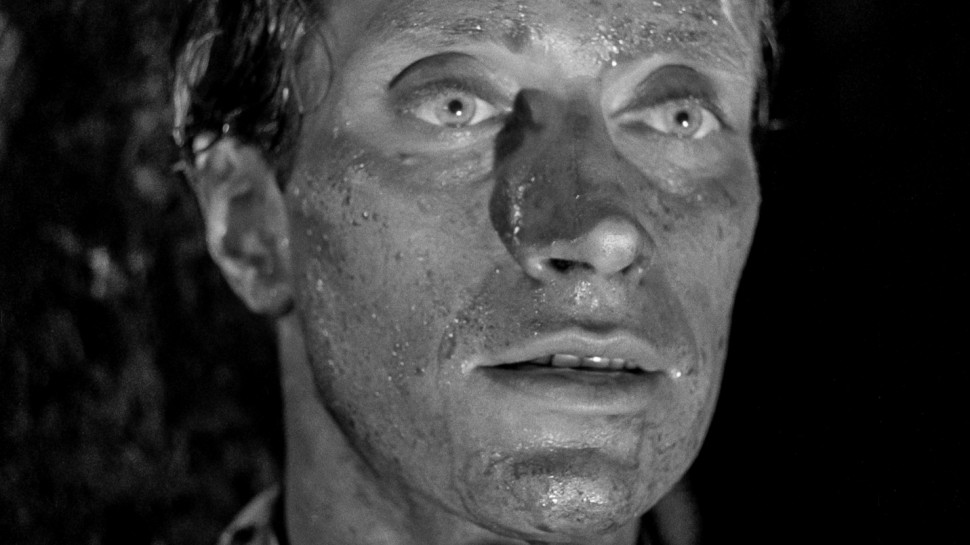
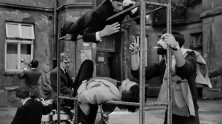
Gripping and tenebrous, Andrzej Wajda’s second feature resumes A Generation’s interest in naturalist, anti-dogmatic tellings of wartime resistance, yet shifts focus to the underground Home Army, whose 1944 Warsaw Uprising was a pivotal (if ultimately doomed) attempt at liberation. The first film to tackle the tragic and contentious operation, Kanał descends into the capital’s sewers to observe the hopeless, Dantesque trek of exhausted platoons escaping the city in late September, when defeat was already inescapable. Jerzy Lipman returns as cinematographer, depicting the dank gutters—all built in the back lot of a Łódź studio—in an asphyxiating high-contrast palette. To make the film, Wajda benefitted from Gomułka’s Thaw which, however, did little to shield Kanał from harsh audience critique. “This film could not satisfy them,” Wajda later remarked. “They had licked their wounds, mourned their dead, and now they wanted to see their moral and spiritual victory, and not death in the sewers.” Unredemptive to its core, Wajda’s bleakest has since been rightfully recognized as one of world cinema’s great reckonings with impossible (yet necessary) roads to freedom.
Part of film series
Upcoming screenings from this program

Innocent Sorcerers
Kanał
The Promised Land

Man of Marble
Wałęsa: Man of Hope
Man of Iron

The Conductor
Without Anesthesia, aka Rough Treatment

Pan Tadeusz, aka The Last Days

Ashes and Diamonds