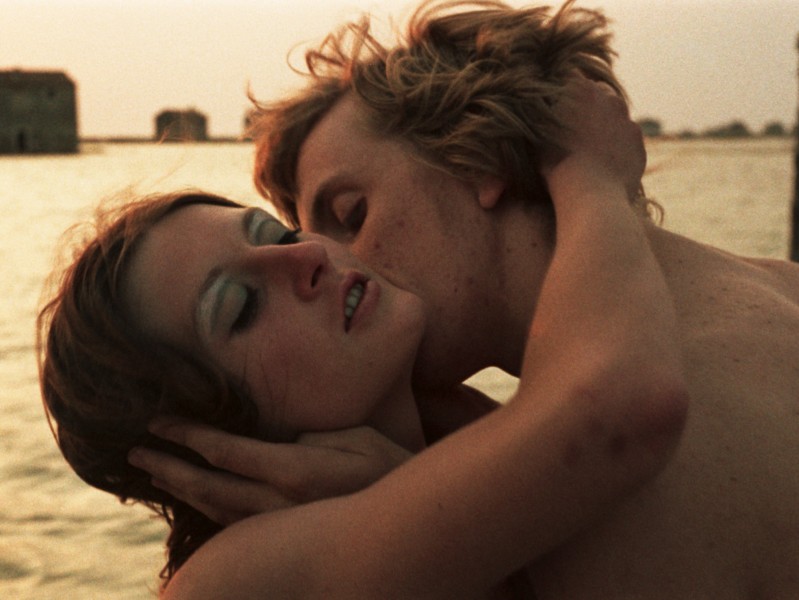
Karpo Godina – Frames for Living
People, let us not surrender! Karpo, as a poet-technician-magician, has enchanted silver nitrate to become intelligent and whisper to us how beautiful and precious life is.
In the rich history and present of (post-)Yugoslav film, few auteurs wield an aesthetic as singular, refined and instantly identifiable as Karpo Aćimović Godina. The prolific cineaste—born in 1943 in Skopje to a Macedonian photographer-revolutionary and a Slovene theater actress—has been an unstoppable and omnipresent force in European cinema ever since he exploded on the Socialist cine-club landscape with a fusillade of ferocious 8mm shorts in the mid-1960s. In 1968, compatriot Želimir Žilnik (a recent guest at this institution) tapped the then-twenty-five-year-old Godina to shoot Early Works, a Berlinale Golden Bear laureate. Ever restless and with no intention of decelerating, Godina has spent the last half century moving effortlessly between cinematic modes (avant-garde, narrative fiction, documentary, advertisement, TV and everything in between), creative roles (direction, cinematography, editing, screenwriting), and throughout all the Yugoslav republics. Although most often discussed as a prime mover of the infamous “Black Wave,” Godina’s eclectic output exceeds 60s anti-authoritarian radicalism both temporally and stylistically; he has continued to concoct moving images decades after the end of Titoism and the SFRY (Socialist Federal Republic of Yugoslavia), all the while honing an audio-visual signature as socially incisive as it is irrepressibly anarchic.
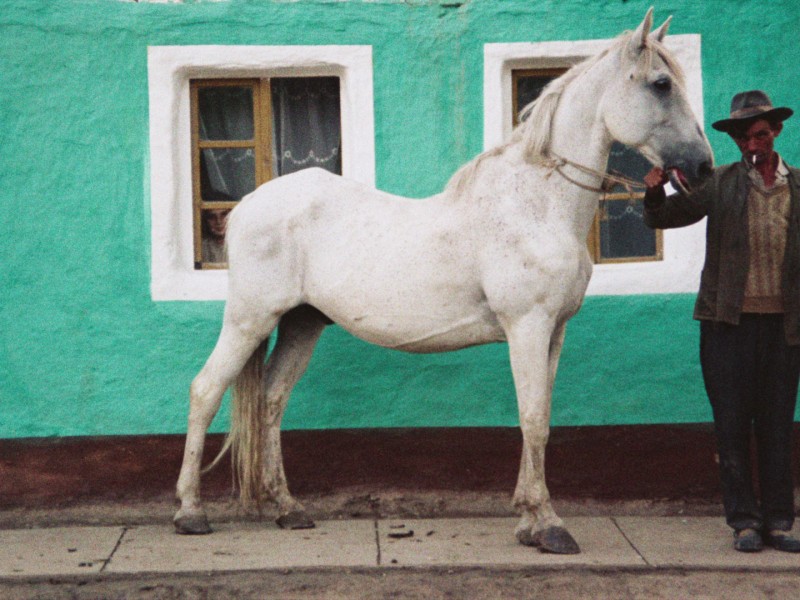
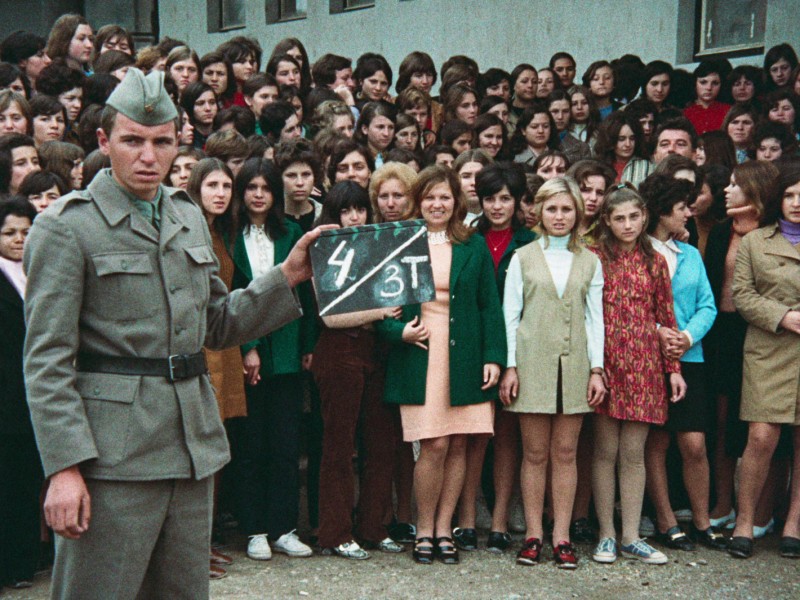
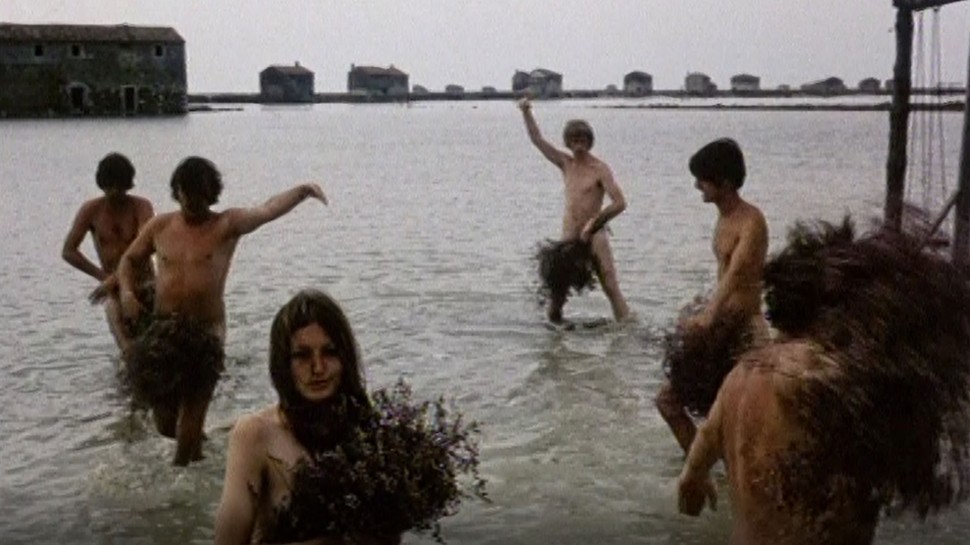
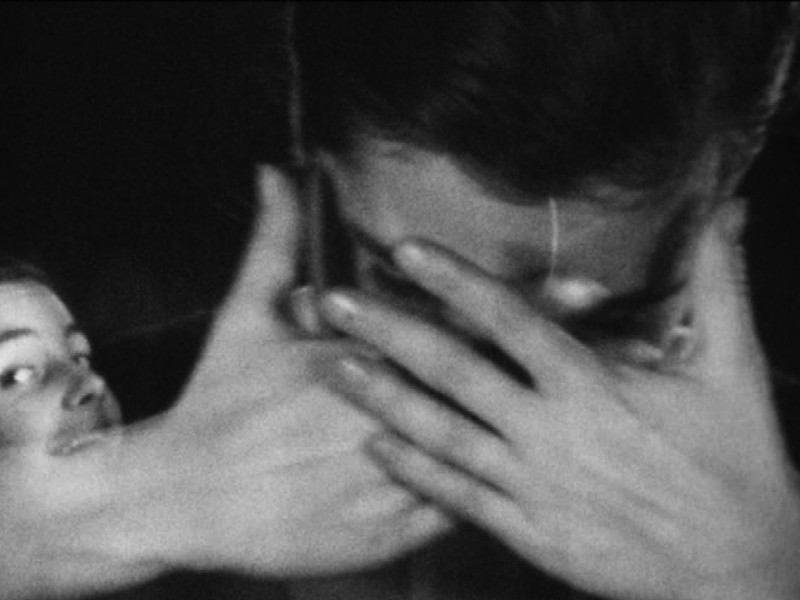
This series spotlights the artist’s activation of the tableau vivant, a compositional format that Godina has made his own. In Bahrudin Čengić’s Life of a Shock Force Worker (1972), Godina’s static color photography impels an episodic tale of a Socialist super-laborer to exalted and deeply humanist ends. In Frame for a Few Poses (1976), central framing, observational angles and exuberant musical interludes sustain a heartfelt and hilarious portrait of folk creativity in the northwest Serbian countryside. Meanwhile, in the filmmaker’s short-length experiments (1965-72), one witnesses a vitality of expression and innovation that dazzles in its soldering of modernist abstraction, uncompromising anti-militarism and the joy of unalienated existence. In short and long forms—as director and as cinematographer—Godina has spawned a universe of frames for living: immobile front-facing tableaux that momentarily capture life not to control or repress it, but rather to let it live and thrive all the more freely. – Nace Zavrl
The Harvard Film Archive is excited and honored to welcome Karpo Godina on his first appearance in New England. The 7pm screenings on July 12 and 14 will be accompanied by a conversation with the filmmaker .
Past screenings from this program
Frame for a Few Poses, Episodes 1 - 3
Frame for a Few Poses, Episodes 4 - 6
Life of a Shock Force Worker