Dr. Strangelove or: How I Learned to Stop Worrying and Love the Bomb
New 35mm print
With Peter Sellers, George C. Scott, Sterling Hayden.
UK/US, 1964, 35mm, black & white, 95 min.
Print source: Yale Film Archive
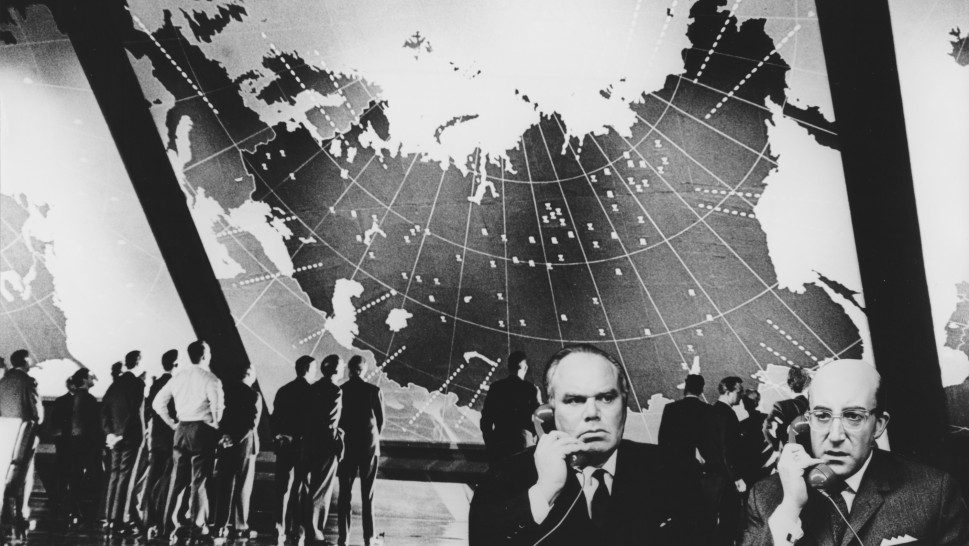
Structured like an unstoppable locomotive accelerating towards a brick wall, or like an act of intercourse building inexorably to climax, Dr. Strangelove offers cinema’s most cheekily provocative dramatization of nuclear warfare and the human drive to self-annihilation. It does so, however, without venturing onto the battlefield. Instead, the film concerns the flurry of backroom negotiations triggered on American soil when Brigadier General Jack D. Ripper (Sterling Hayden) orders an airborne B-52 to preemptively bomb the Soviet Union to ease his paranoid concerns of threatened national virility. Featuring unforgettably exaggerated performances from Hayden, George C. Scott and Slim Pickens, and three all-time turns from Peter Sellers, the film generates its scathing comedy less from physical combat than from diabolical twists of linguistic logic and verbal sparring matches, many of which play out in an awe-inspiring approximation of the Pentagon War Room.
The March 15 show is sold out. Any unclaimed tickets will be released at showtime.
PRECEDED BY
-
Flying Padre
Directed by Stanley Kubrick.
US, 1951, 35mm, black & white, 9 min.
Print source: Library of Congress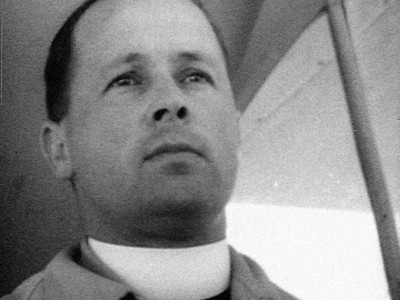
Made for the RKO-Pathe Screenliner project, a series of documentaries covering human interest stories, Kubrick’s second short film Flying Padre observes a couple days in the life of Father Stadtmueller, a priest operating in the New Mexico parish of Mosquero. At 4,000 square miles, the region is large enough that Stadtmueller must pilot a personal aircraft to tend to his parishioners with any efficiency, and a triumphant narration by Bob Holt elevates the man’s toil—which includes conducting mass, visiting funerals, counseling youth and operating his plane as an ambulance—to the level of hero worship. Shot from a multitude of angles that suggests an active collaboration with its subjects, the film contains glimmers of the visual ingenuity that would define Kubrick’s later narrative work, including a final tracking shot that is breathtakingly novel in this context.
Part of film series
Screenings from this program

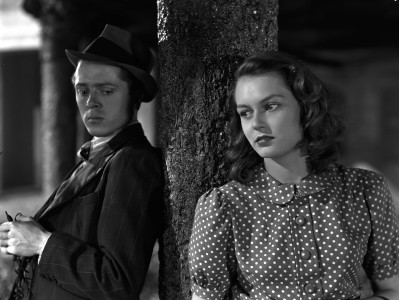
Killer's Kiss

The Killing

Paths of Glory

Lolita

Spartacus - Restored Version

Dr. Strangelove or: How I Learned to Stop Worrying and Love the Bomb

Spartacus

2001: A Space Odyssey

Dr. Strangelove or: How I Learned to Stop Worrying and Love the Bomb
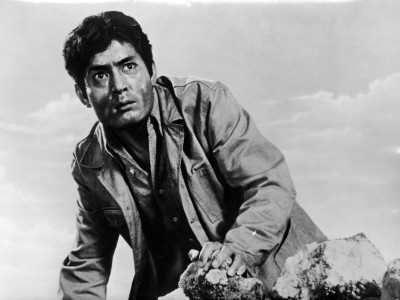
One-Eyed Jacks

A Clockwork Orange

Barry Lyndon

Barry Lyndon
The Shining

Full Metal Jacket

Eyes Wide Shut

A.I. Artificial Intelligence