Alain Kassanda,
2026 McMillan-Stewart Fellow
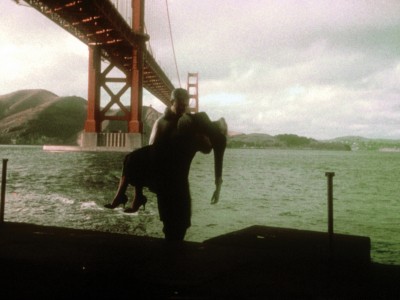
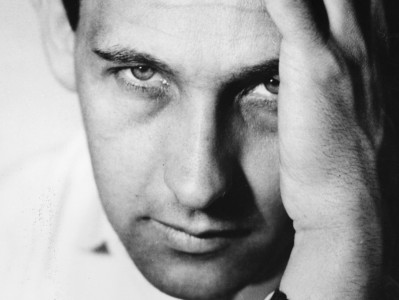
This year’s McMillan-Stewart Fellow, Congolese French filmmaker Alain Kassanda (b.1980) has achieved this honor with a set of singularly striking documentaries. Only three films into an auspicious career and running his own production company Ajímatí Films with anthropologist Emilie Guitard, Kassanda has garnered well-deserved accolades for dynamic documentary composites that confront and contest the spectatorship inherent in cinema with an exciting, improvisational attentiveness. Reclaiming and reorienting African history, art and life from the distortions of a colonial lens, Kassanda also exuberantly and subtly reveals his former life as a film programmer; his depth of cinema knowledge—along with music, literature, history—is refreshingly apparent, yet what he chooses to fashion from his sophisticated palette of cinema elements, are all his own: vibrant, layered, radical documents that actively engage with their content and surroundings. Understanding that each film calls for its own vocabulary, its own beautiful arithmetic, Kassanda may incorporate jazz music, intersperse a literary quote, question his intentions, speak to an ancient tree or hand his camera to another.
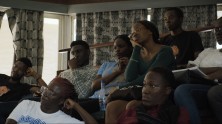
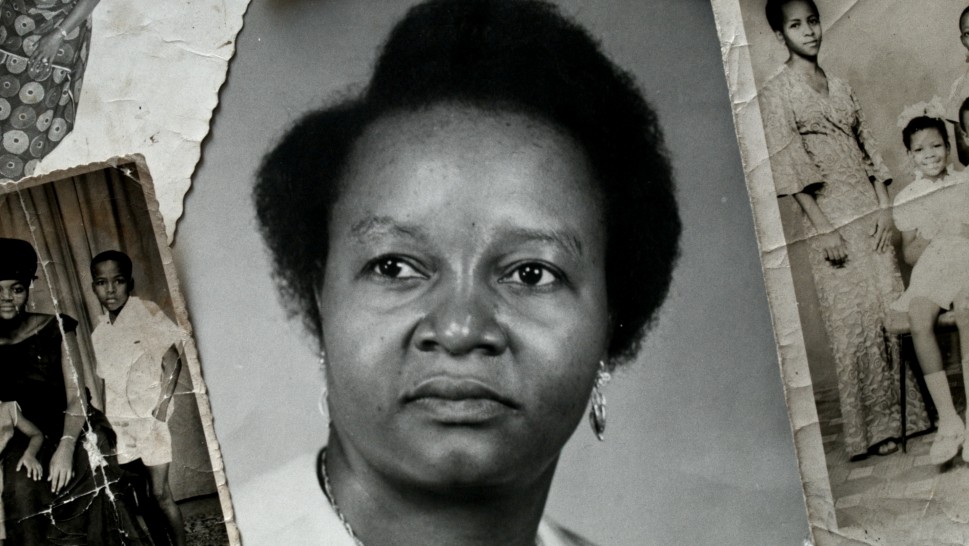
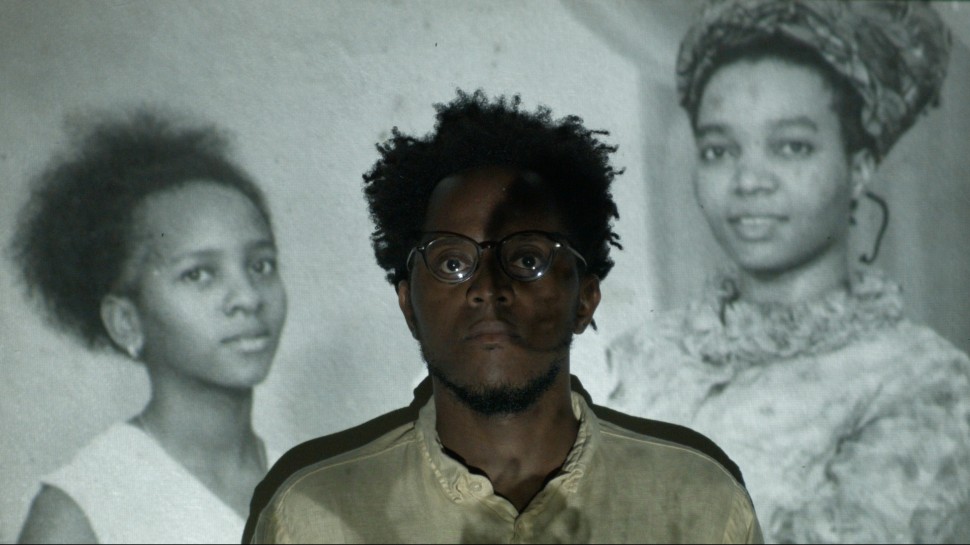
Direct without overstatement, the films combine intimate observation with a humanistic orchestration as well as spaces where the films seem to relax and take a breath, then roll back into the complicated daily grind of quietly heroic lives. To date, his films have taken place both in Nigeria and his birthplace the Democratic Republic of Congo. Unearthing stories from the past, shaking off the invasive vines and pulling them up close to his lyrical, inquisitive camera, he may study the generational violence from neocolonialism as in his feature debut Colette et Justin or expose the brave beating heart of revolution in action in Coconut Head Generation. Kassanda’s films are engaged interactions with the world that seem unsatisfied with inactivity, inspiring a corresponding inventiveness. As he explains in an interview in Strand Magazine, “Images are sometimes powerless; look what’s happening in Gaza. People are filming their own deaths, we are all watching it live-streamed, but at some point that enables us to gather, like the massive gathering in London, in support of the ceasefire. … Images are two-pronged: they are really important for us to understand and see from a specific perspective and subject and be outraged, but at the same time they are just a starting point for conversation that needs to go beyond the art. Art forms are just there to enable us to move, it’s the action that takes place, not the films, that leads to change.” – Brittany Gravely
The Harvard Film Archive and Film Study Center welcome Alain Kassanda as this year’s McMillan-Stewart Fellow in Distinguished Filmmaking. He will join students in the classroom and audiences in our theater for two evenings of film and conversation.
Past screenings from this program

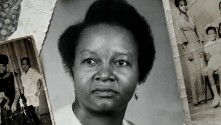
Colette et Justin
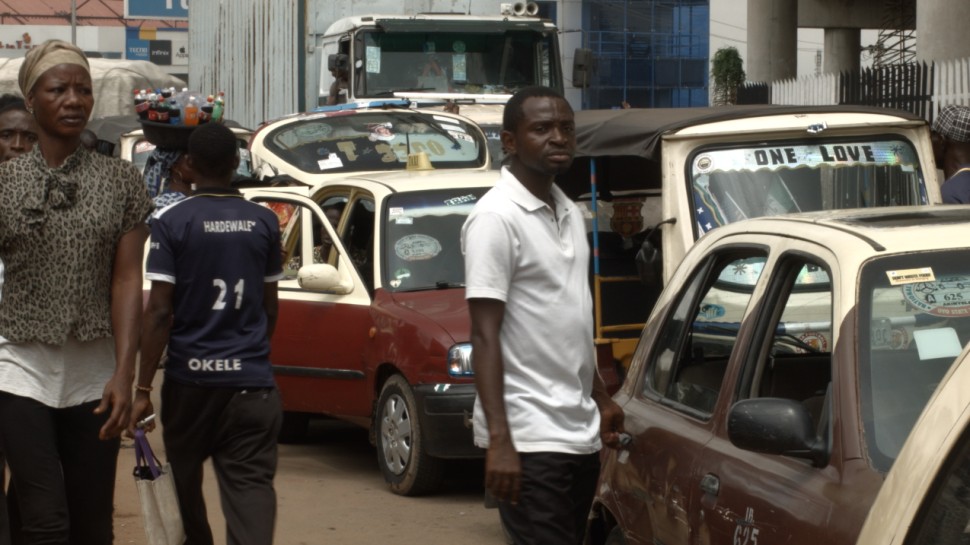
Coconut Head Generation