Sixties Shinoda
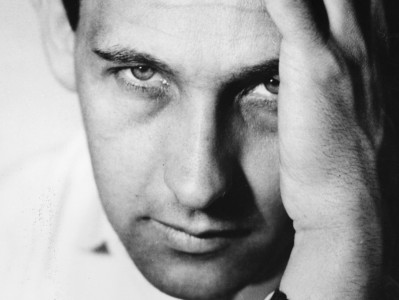
Throughout a career spanning a wide range of styles and subjects, Shinoda Masahiro (1931-2025) reinvented himself several times, sometimes as often as from one film to the next. A will to innovation unifies his work, which is also marked by a sympathy for rebellion and a taste for secrecy and conspiracy. The loosely connected group of films from Dry Lake (1960) to Double Suicide (1969) is central to Shinoda’s filmography. In addition to two of his best-known films, Pale Flower (1964) and Double Suicide, this group includes several others in which the director’s penchant for visual abstraction matches up with an abrasive and bleak sensibility, breaking open the narrative forms he has inherited.
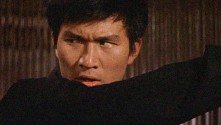
Entering the film industry in the 1950s, Shinoda served as an assistant director (to, among others, Ozu Yasujiro, on Tokyo Twilight [1957]) before graduating to direction in 1960. Alongside Oshima Nagisa and Yoshida Kiju, Shinoda was enlisted by Shochiku in the “new wave” the studio created in an attempt to appeal to the growing youth market in Japan. Shinoda’s first two films, One-Way Ticket to Love and Dry Lake (both 1960), have much in common with Oshima’s three and Yoshida’s two films of the same year: young protagonists, an emphasis on eroticism and violence, a revulsion against the official optimism of postwar society. Dry Lake, at least, hints at a way forward from the apparent spiritual impasse of the times in the political activity of one of the characters, played by Iwashita Shima (who would later marry Shinoda).
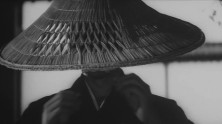
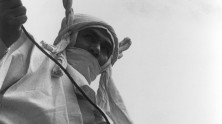
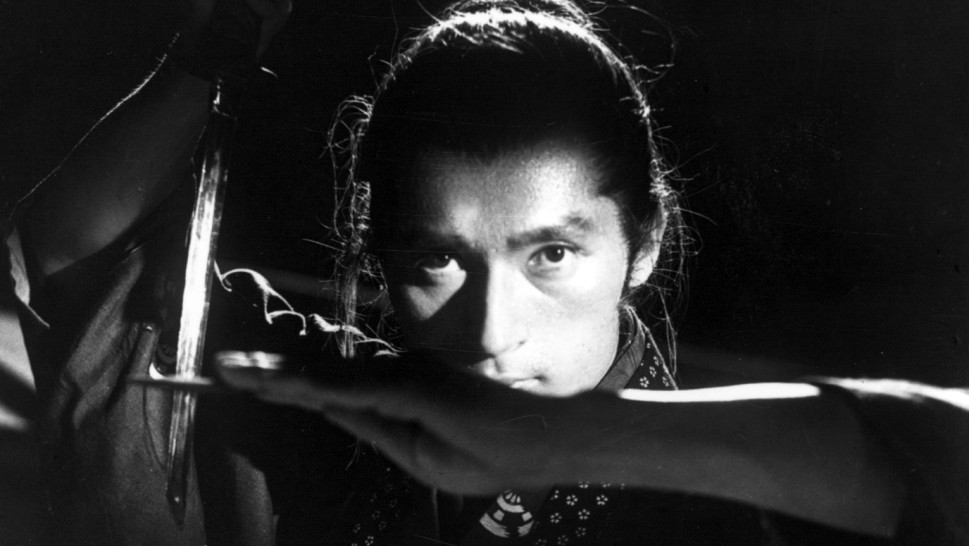
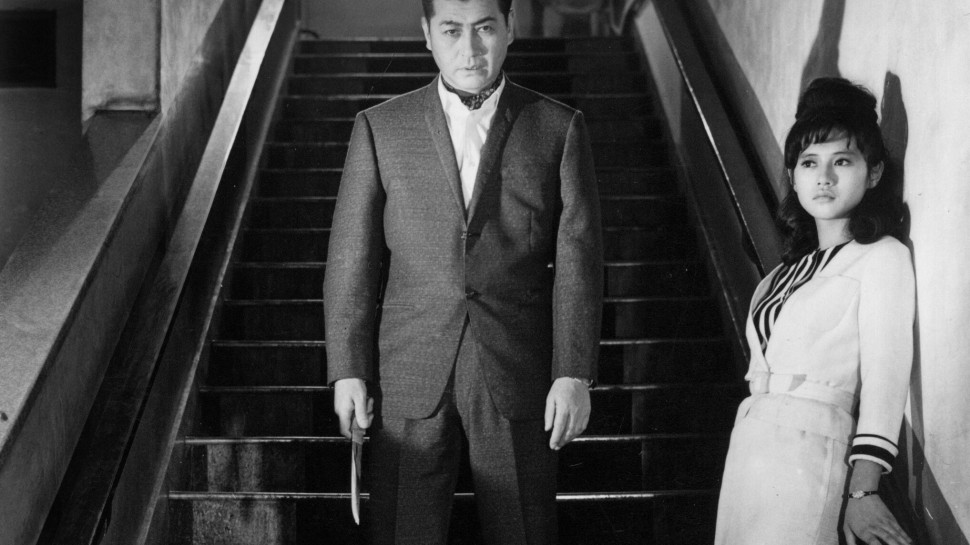
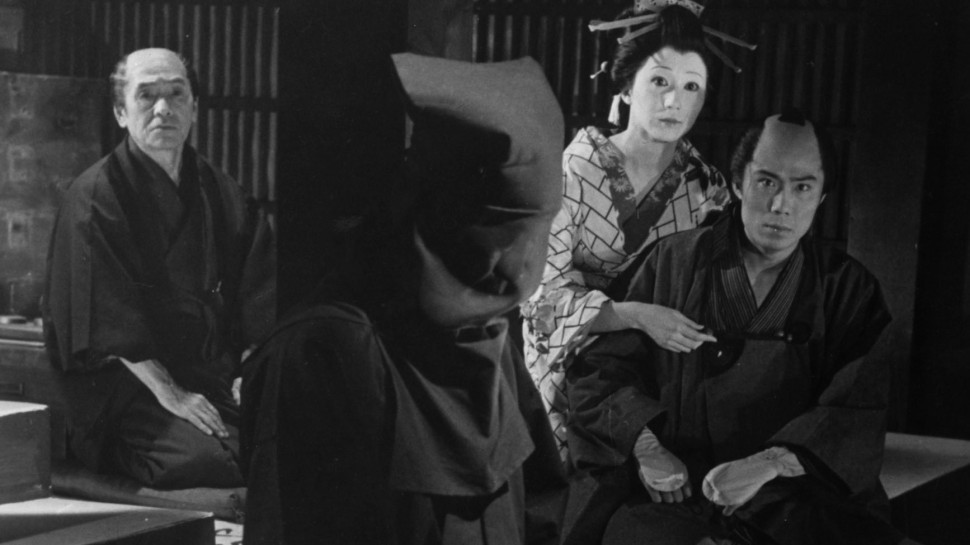
After a series of relatively conventional melodramas, Shinoda achieved an artistic breakthrough with Pale Flower, which he followed with Assassination (1964) and Samurai Spy (1965). All three are action films marked by a deep cynicism concerning loyalty, honor and authority. Pale Flower is a yakuza thriller; the other two take place, respectively, during the violent end of the Tokugawa shogunate in the 19th century and at its no-less violent dawn, in the early 17th century. The heroes of these films are men adept at killing who come to realize that the causes they serve are ignoble and that nothing is worth fighting for except, perhaps, the women who stand outside the political system. In Assassination and Samurai Spy, women are used, discarded and put in jeopardy. The heroine (Kaga Mariko) of Pale Flower is of a different stripe: she defines herself by her arrogant and fascinated entry into a male world. The impatient oscillation of Shinoda’s style between splashiness and deliberateness reflects his sympathy for both Kaga’s character and the stolid hitman (Ikebe Ryo) she teams up with.
Punishment Island (1966) is a revenge melodrama subverted from within by Shinoda’s insistence on the need for redemption and his skepticism about its possibility. The theatrical mise en scène of the long take near the end of Punishment Island anticipates the still more radical theatricality of Double Suicide, an intense meditation on the implacability of fate and the urgency of sexual desire. Both these films in turn point past their decade to future Shinoda intransigence in such unclassifiable achievements as Under the Blossoming Cherry Trees (1975), Ballad of Orin (1977) and Demon Pond (1979). Probably the key to Shinoda’s work remains to be found. – Chris Fujiwara
Recent additions to the Shochiku Centennial Collection, the new 35mm prints of Pale Flower and Dry Lake/Youth in Fury were made for the Harvard Film Archive at Imagica.
Past screenings from this program
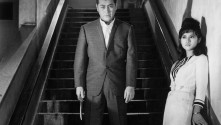
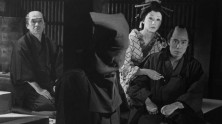

Dry Lake aka Youth in Fury