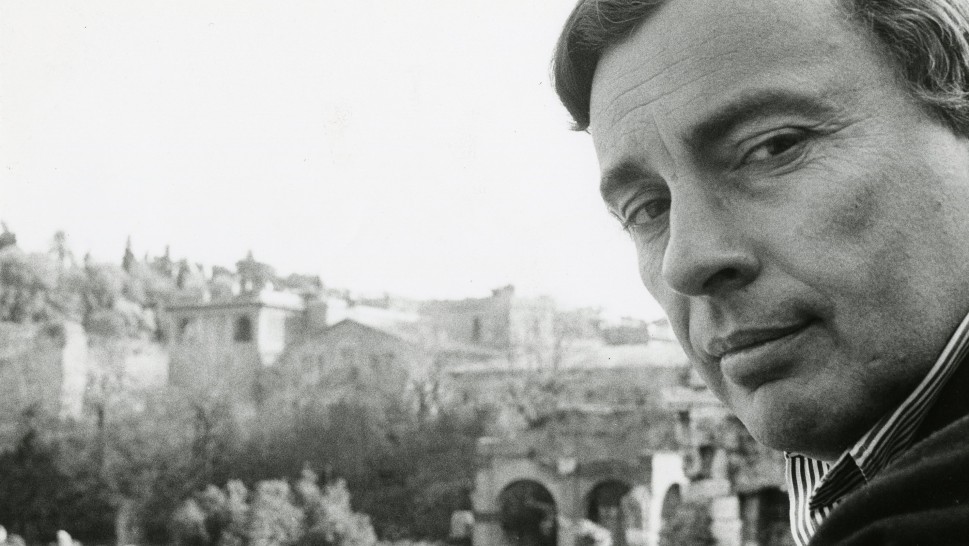
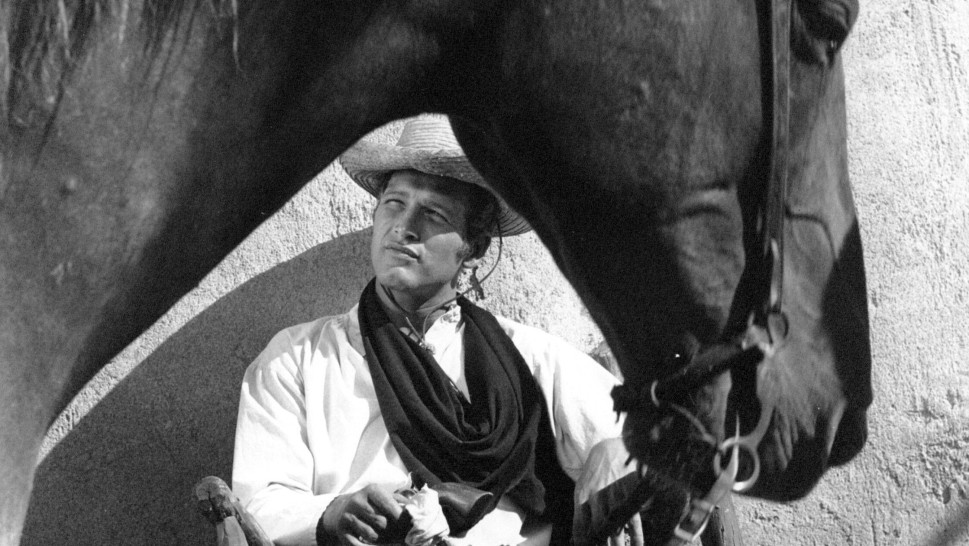
Gore Vidal Goes to the Movies
Style is knowing who you are, what you want to say, and not giving a damn.
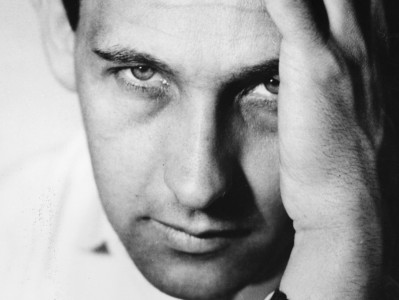
Gore Vidal had style. Combining elegant prose with wicked aphoristic wit, he wrote twenty-five novels, numerous essays, five Broadway plays, dozens of television plays and film scripts and even three mystery novels. During a career spanning six decades, this varied work nevertheless has a unity of tone, an easy familiarity with the interlocking worlds of politics, literature and jet-setting socialites, expressed with urbanity, a healthy dose of satire and supreme self-confidence.
Gore Vidal (1925 – 2012) was born into a life of wealth and privilege. His father Eugene was a noted aviator and held a post in the Roosevelt administration. His mother Nina was the daughter of US Senator Thomas Gore of Oklahoma, an influential Democrat. His parents divorced when Vidal was ten, and Nina married Hugh Auchincloss, a wealthy financier who in turn divorced her and married Jacqueline Kennedy’s mother, establishing a connection with the Kennedy clan that persisted throughout Vidal’s career.
He did not attend college, as most of his fellow students at Philips Exeter Academy did, and instead enlisted in the Army Transportation Corps during World War II. He wrote his first novel, Williwaw (1946) while recovering from frostbite in a military hospital. It was his controversial third book The City and the Pillar (1948), one of the earliest explicitly gay novels that challenged the homophobia he believed was ingrained in American culture, that first brought him to the attention of the literary world. Much of that attention was negative, and Vidal turned to writing for television and Hollywood to earn his living.
Screenwriting became his primary genre in the 1950s and 1960s. In 1956, MGM hired Vidal as a screenwriter with a four-year contract. But it was a form he practiced throughout his career, writing both original screenplays and adaptations of his and other author’s novels. Many were never produced yet survive in his archive at Houghton Library. They reflect the interaction of history, politics and literature that is a hallmark of all his work. His screenplays titled The Pentagon Papers, Roe v. Wade, The Acting President and many others seem as timely now as when they were written. Vidal wrote in his memoir, Point to Point Navigation (2006): “As I looked back over my life, I realized that I enjoyed nothing—not art, not sex—more than going to the movies.”
As a boy, Vidal spent hours reading the Congressional Record to his grandfather US Senator Thomas Gore, who was blind. This fostered a lifelong passion for politics. In 1960, he was the Democratic candidate for Congress for the 29th Congressional District of New York, losing with 43% of the vote. Among his supporters were John F. Kennedy (whose wife Jackie was Vidal’s stepsister), Eleanor Roosevelt and longtime close friends Paul Newman and Joanne Woodward. His political commentary during the 1968 Democratic convention in Chicago, in which he was paired with William F. Buckley Jr., cemented his reputation as an articulate (and witty) public intellectual and champion of liberal causes. His final bid for elective office came in 1982, running against Jerry Brown for the Democratic nomination for the US Senate from California; he lost. He spoke against American military intervention and the Patriot Act. His politics could be unpredictable, as both an elitist and a liberal. His 2001 Vanity Fair article “The Meaning of Timothy McVeigh” stirred controversy with those who felt he was too sympathetic towards McVeigh. He summed up his political philosophy in an essay in 1977: “There is only one party in the United States, the Property Party ... and it has two right wings: Republican and Democrat. Republicans are a bit stupider, more rigid, more doctrinaire in their laissez-faire capitalism than the Democrats, who are cuter, prettier, a bit more corrupt—until recently ... and more willing than the Republicans to make small adjustments when the poor, the black, the anti-imperialists get out of hand. But, essentially, there is no difference between the two parties.”
The combination of politics and literature is exemplified by his best-selling historical novels, particularly his “Narratives of Empire” series, which includes Burr (1973), Lincoln (1984), 1876 (1976), Empire (1987), Hollywood (1990), Washington, D.C. (1967) and The Golden Age (2000). The novels examine the creation of American identity, intertwining meticulously researched historical fact with fiction. He also explored the politics and personalities of the ancient world, most notably in Julian (1964), about the fourth-century apostate emperor of Rome. Throughout these works, Vidal explored the source of political power, its effect on individuals, the influence of religion and the role of media in shaping belief.
Gore Vidal gave his voluminous archive to Houghton Library in 2001, with the rest of his papers, his personal library and the remainder of his estate coming to the University after his death. His generous bequest funds two positions: the Gore Vidal Curator of Modern Books and Manuscripts at Houghton Library and the Gore Vidal Professor of the Practice of Creative Writing. Additionally, the Gore Vidal Endowment Fund for Arts and Letters supports continuing acquisitions by Houghton Library. – Leslie Morris, Gore Vidal Curator of Modern Books and Manuscripts, Houghton Library.
The Harvard Film Archive and Houghton Library celebrate the 100th birthday of this brilliantly witty, provocative and perceptive writer, and generous Harvard benefactor.
All screenings in this series are free for HFA members.
Past screenings from this program
The Catered Affair
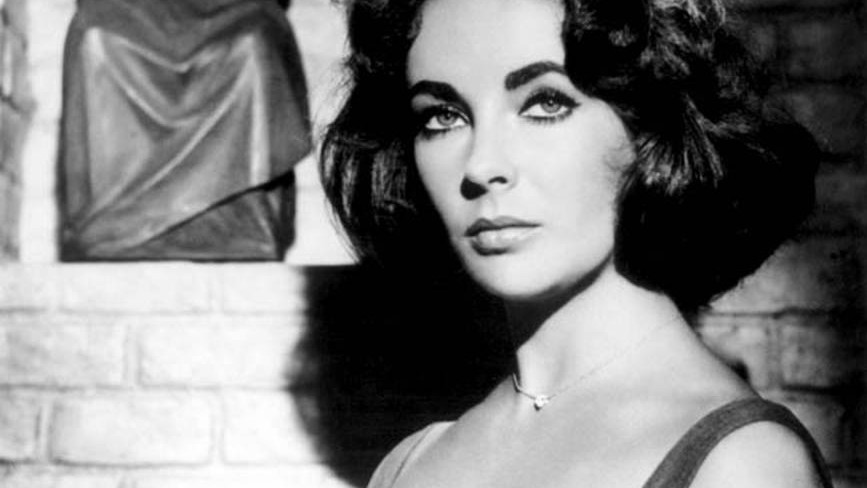
Suddenly, Last Summer
Suddenly, Last Summer
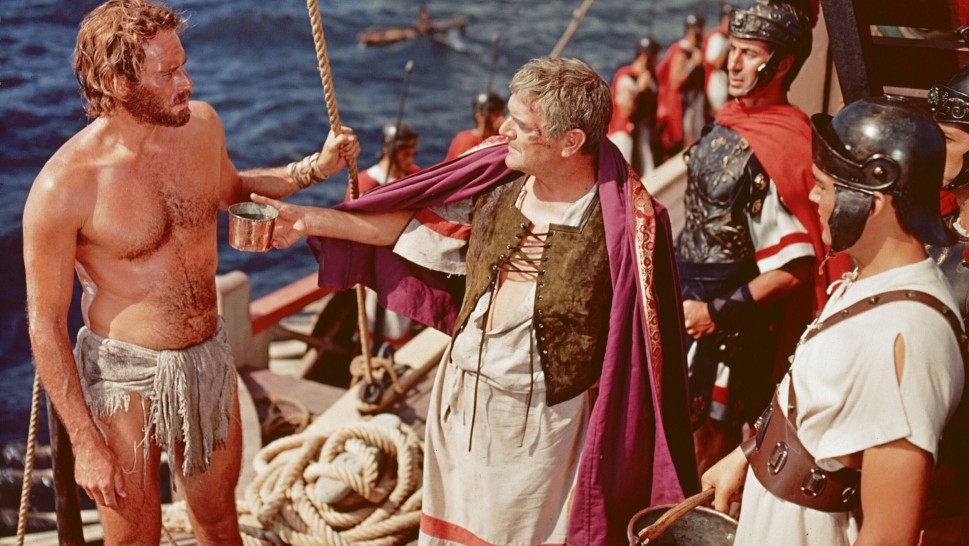
Caligula
Suddenly, Last Summer
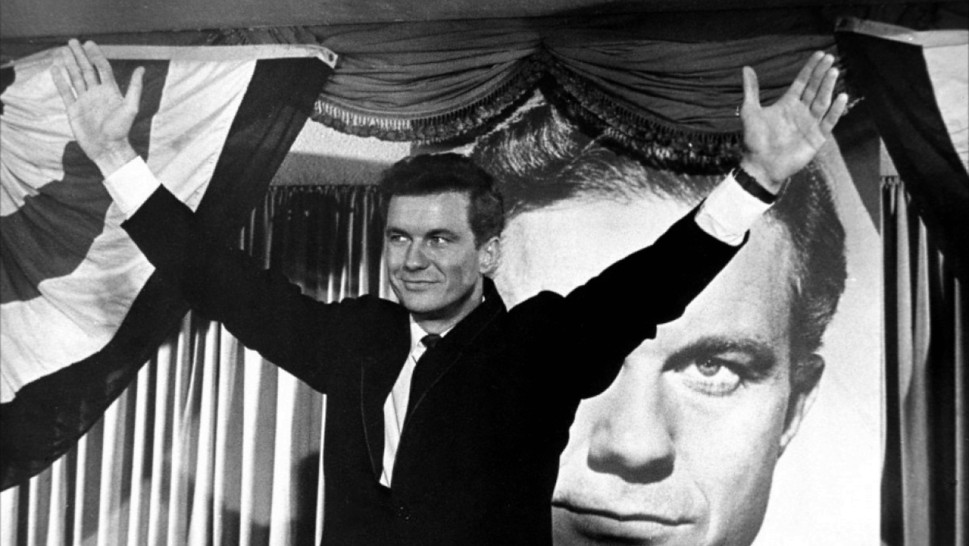
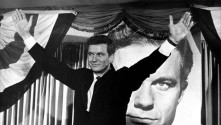
The Best Man
Myra Breckinridge