Vanity Street
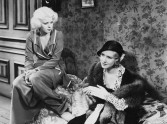
Three Wise Girls
-
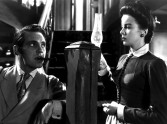
Vanity Street
Directed by Nicholas Grinde.
With Charles Bickford, Helen Chandler, Mayo Methot.
US, 1932, 35mm, black & white, 67 min.
Print source: Sony / Columbia Pictures
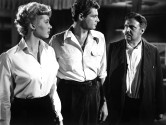
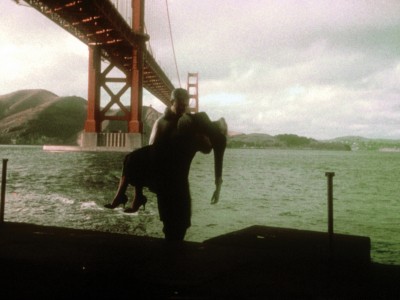
Director Nick Grinde’s signature panorama of big-city buzz—unfolding in unrelenting imagery and a visual barrage of fast life—tells the story of a cop who falls for a showgirl and must clear her name when she’s accused of murder. In her only Columbia film, Helen Chandler plays the showgirl, while the wonderful Charles Bickford takes on the role of the stoic-hearted cop, but the real star here is cinematographer Joseph Walker, whose fluid camerawork greatly elevates the film. Aided by a script from leftist Gertrude Purcell (and a little uncredited input from Robert Riskin), Grinde—one of the most prolific, efficient, and competent directors of B-movies in the 1930s and early 1940s—injects such vitality into the story that the result rivals much bigger productions from majors like Paramount and MGM. This may well be his finest moment at Columbia, for which he directed a total of eleven films.
-
Three Wise Girls
Directed by William Beaudine.
With Jean Harlow, Mae Clarke, Walter Byron.
US, 1932, 35mm, black & white, 67 min.
Print source: Sony / Columbia Pictures
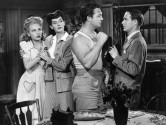
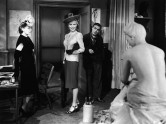
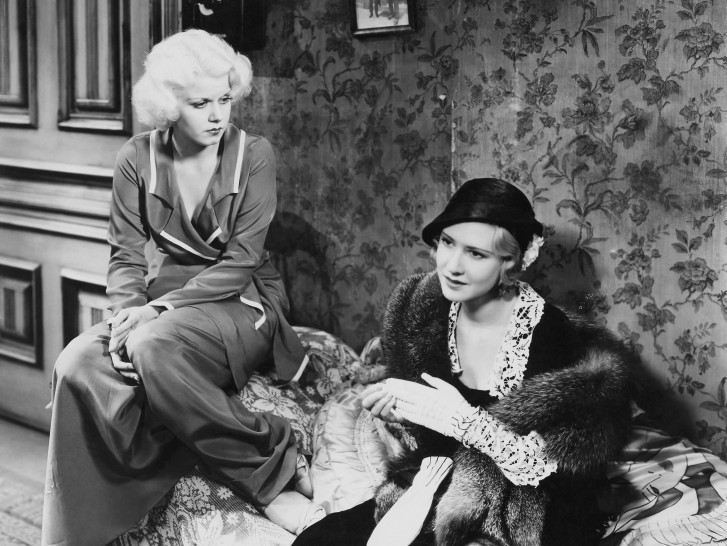
A luminous Jean Harlow received her first top billing in this pleasurable pre-Code film, made in the popular subgenre of the country-blonde-making-it-big-in-New-York—only to be exposed to the emptiness of success. The film is directed by old Hollywood’s most indefatigable workhorse, William Beaudine, who is credited with somewhere between 400 and 500 films—including masterpieces like Sparrows and cult oddities such as Bela Lugosi Meets a Brooklyn Gorilla. François Truffaut had a soft spot for this imaginative craftsman’s B-movies, praising their “charm” and “modesty”—qualities that also apply to the comedy/drama Three Wise Girls. This is one of Beaudine’s classiest and wittiest works from the 1930s, a time when he still had access to stronger material—this script written by Agnes Christine Johnston, who explores the question of virtue versus career, with sharp dialogue penned by Frank Capra’s regular collaborator, Robert Riskin. Among other things, the film includes a memorable lesson on how to “forget about your hips when you walk,” since “they know how to take care of themselves.”
Part of film series
Screenings from this program
Ladies in Retirement