The Seasons of Hong Sangsoo
Part I, Summer & Fall
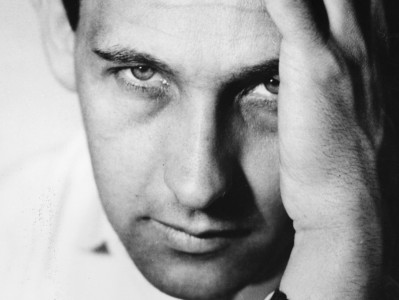
Prolific Korean independent director Hong Sangsoo (b. 1960) is a visionary and uncompromising auteur whose influential films have forged a unique path through late 20th century and early 21st century cinema. Although his filmmaking career began during the early nineties period of the New Korean Cinema led by figures such as Park Chan-wook, Lee Chang-dong, and Bong Joon-ho, Hong’s early work stood clearly apart from that movement and its dedication to reinventing traditional popular genres. From his first films Hong has instead remained steadily focused on intimate, stripped-down, present-day stories of love, friendship and loneliness which he shapes through increasingly playful (meta-)narrative strategies that enrich his films with engaging ambiguity. Fracturing narrative time, repeating a story again half-way, now with only subtle changes, telling a story in tumbled, non-chronological fashion; these are just some of the novel devices explored by Hong across his nimble and fascinating oeuvre.
Over the last decade Hong has sought to make his productions more and more streamlined in order to gain full creative control, gradually taking on the multiple roles of screenwriter, editor, producer, cameraman and even composer, a dramatic reduction that allows him to now make two and sometimes even three films in a given year. An essential partner since 2015 has been the gifted actor and producer Kim Min-hee who brings her luminous presence to many of his key recent films, among them Right Now, Wrong Then (2015), The Day After (2017), Walk Up (2022) and By the Stream (2024).
Most of Hong’s films take place in Korea and share a keen sensibility to place and to season. Indeed, when seen together the time of year is revealed to subtly shape the mood and motivations defining many of his key films. Like Ozu Yasujiro, Hong’s fascination with the passage and poignancy of time is often expressed through his characters’ close attention to the seasons as an expression or even harbinger of their own lives. This lesser-noted dimension of Hong’s cinema inspires and shapes the Harvard Film Archive’s complete retrospective of his work, which is organized into four discrete seasonal chapters, with each film screening within the season in which it takes place. For our fourth and final chapter, in Spring 2026 we will welcome Hong Sangsoo and Kim Min-hee for a rare and highly anticipated visit, perhaps with a new film, or two. – Haden Guest
Past screenings from this program
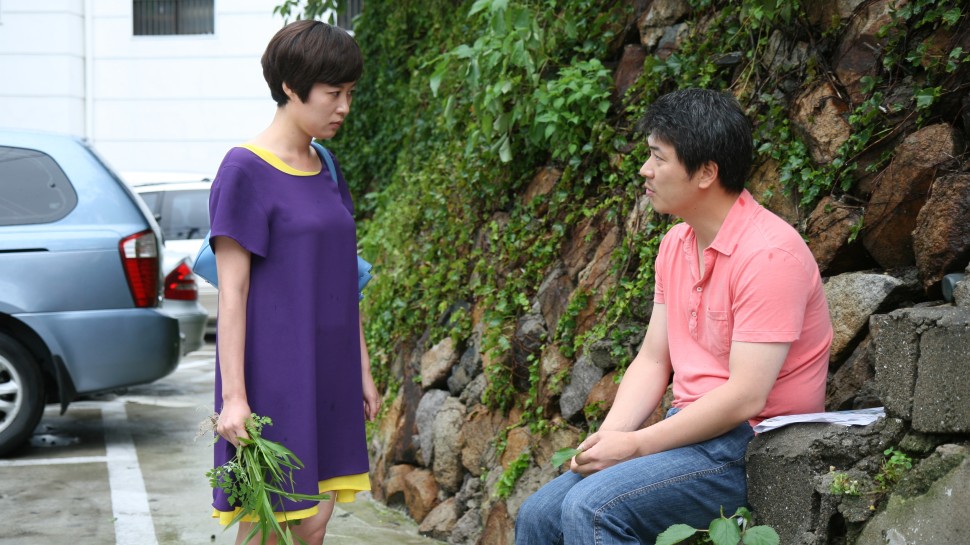
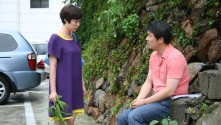
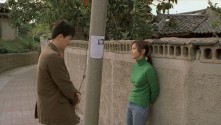
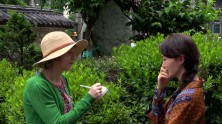
Like You Know It All


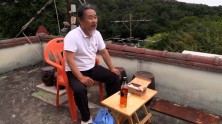
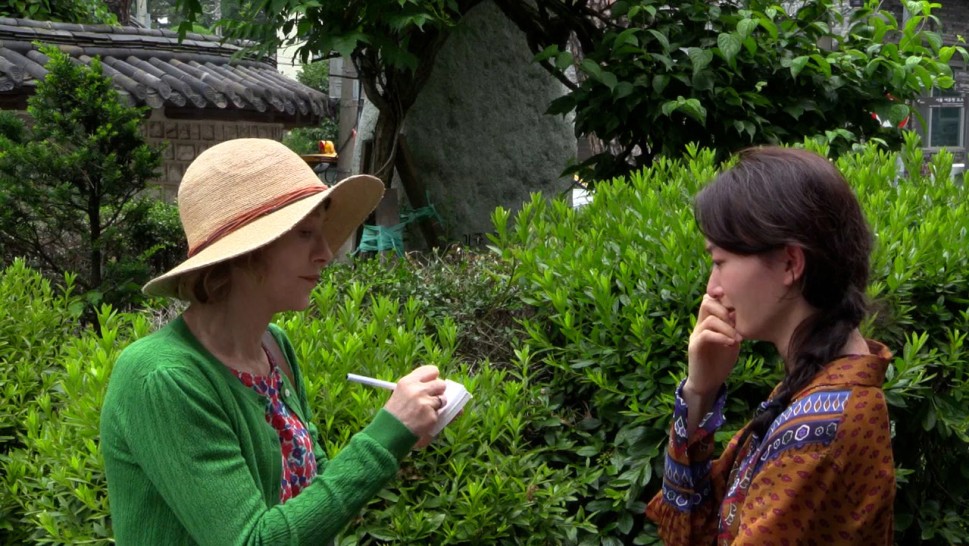
Night and Day
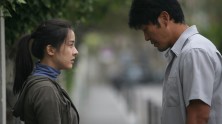

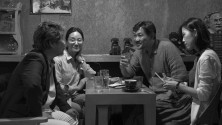
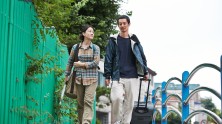
Like You Know It All
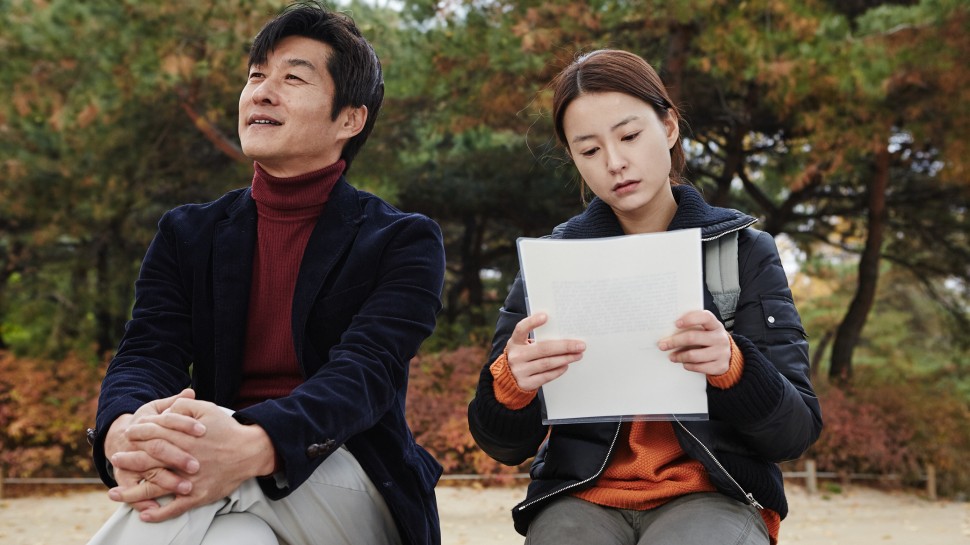
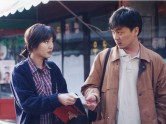
The Day a Pig Fell into the Well
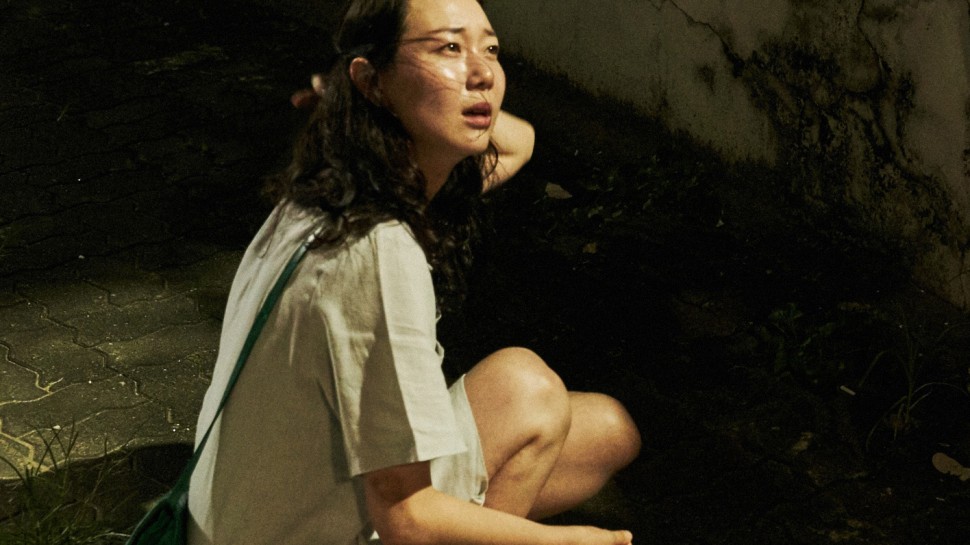
The Day a Pig Fell into the Well