A Terra! The Cinema of Marta Mateus
Program I
A world dominated by Technology is lost for Liberty.
These three films resurrect the vital force of poetic existence against technocracy. With rare sculptural potency, these works materialize absences in order to render them sensory. — Marta Mateus
PROGRAM
-
Jaime
Directed by António Reis.
Portugal, 1974, DCP, color, 35 min.
Portuguese with English subtitles.
DCP source: Irmalucia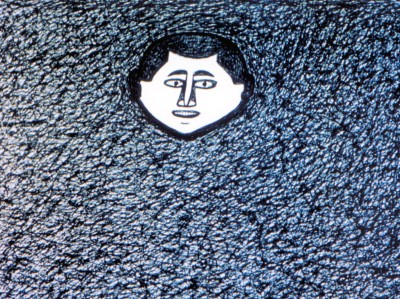
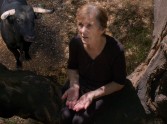
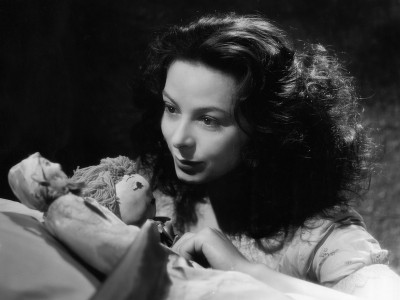
"There are photographs of sharpness. These are obscure. They are made by me, according to my will." Jaime Fernandes drew in pencil and ballpoint pen, and wrote abundantly, in the last three years of his life. The author who gives the film its title, Jaime, is one of the “numbered men, subjugated to the orderly,” who spent more than thirty years in a psychiatric hospital in Lisbon. Using a handheld camera from the perspective of an “unarmed human eye” that peers out with exceptional brilliance and energy, the film makes the figures revealed in these drawings and written words blossom, roaming through their traces, volumes and temperatures in a raccord with “all its poetic, dramatic and biographical implications,” as António Reis describes. Within a plastic ascesis, the lustrous water of a meadow, the vertiginous sylvan daisies and the patients attain a communal “dignity of statues.” An epiphany of sounds and images that shapes an extraordinary film, raising vita and opus in the same pulse. — Marta Mateus
-
Our Man (O Nosso Homem)
Directed by Pedro Costa.
Portugal, 2010, DCP, color, 25 min.
Portuguese with English subtitles.
DCP source: Filmmaker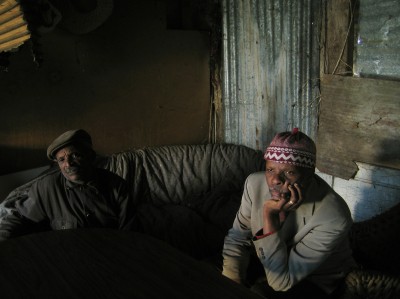
“What about that guy who sends people to meet their maker?” questions the son.
“He slips them a letter without them noticing. Come with me,” answers the mother.
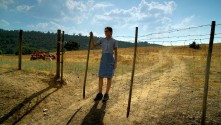
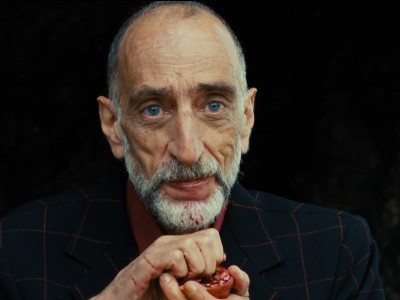
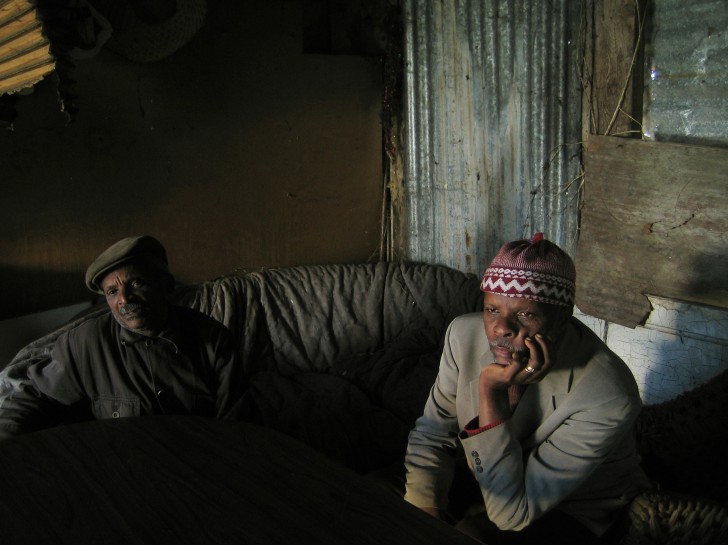
Pedro Costa’s films are letters written in stone. Their romantic, mythical and bureaucratic documents are woven into our shared biographies. In O Nosso Homem, the son, whose name is José Alberto Tavares Silva, is haunted by a correspondence addressed to him. Haunted like the rabbits Alfredo chases into the bushes, under the gaze of the neighborhood's eternal guardian, Ventura. Haunted across a compound of plural times, the film unfolds in the present, suspended in a life-or-death battle for freedom. The daily battle of the margins to hold back the course of the river, our sick and poisoned river. Our man stands for all of us, as every person's liberty is inherently collective. A political and sentimental cartography of our community and of humanity's state of siege.— Marta Mateus
-
France Against the Robots (La France contre les robots)
Directed by Jean-Marie Straub.
Switzerland, 2020, DCP, color, 10 min.
French with English subtitles.
DCP source: Grasshopper Films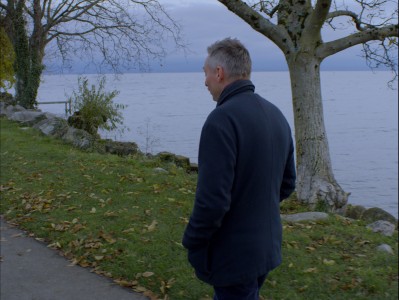
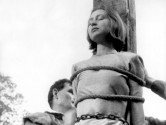
La France contre les Robots is the last film by Jean-Marie Straub, adapted from George Bernanos’ essay of the same name, *pour Jean-Luc [Godard], his fellow director and comrade, with whom he shared a lakeside promenade in Rolle, where they both lived toward the end of their lives. The revolution we are announcing will overturn the entire existing order or it will not take place at all. A raw and beautiful testament. A manifesto on the absolute necessity of fighting for freedom. — Marta Mateus
Part of film series
Screenings from this program


Program IV


Fire of Wind